
Key Takeaways
- Always verify the seller’s credentials by checking reviews and ratings on third-party websites.
- Be cautious of eBikes sold at unrealistically low prices; if it seems too good to be true, it probably is.
- Use secure payment methods like credit cards or reputable payment services for added protection.
- Check for certifications and compliance with safety standards to ensure the eBike’s authenticity.
- Favor buying from established retailers with clear return policies to avoid potential scams.
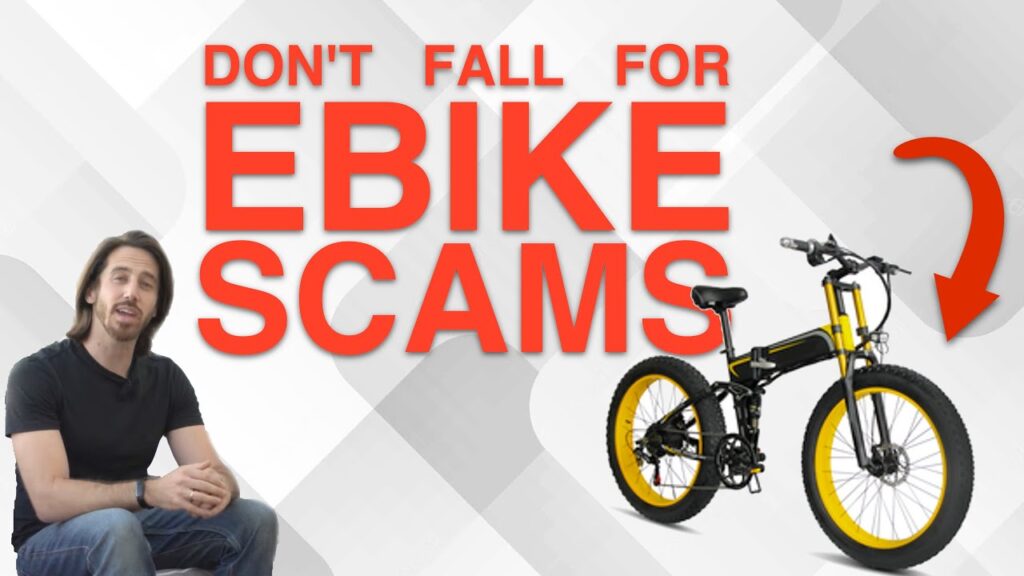
“Common E-Bike SCAMS (And How To Avoid …” from m.youtube.com
Essentials for Spotting and Avoiding eBike Scams
In the fast-growing world of eBikes, scams are becoming increasingly common. With so many options available online, it’s easy to fall for a deal that seems too good to be true. Therefore, it’s crucial to equip yourself with the right knowledge to avoid these pitfalls. Let’s dive into the essentials you need to know to protect yourself.
Understanding eBike Sales Scams
eBike sales scams can take many forms, from fake websites selling counterfeit products to deceptive ads on social media. These scams often lure in unsuspecting buyers with enticing offers and promises of high-quality eBikes at rock-bottom prices. However, the reality is often disappointing, with buyers receiving subpar products or, worse, nothing at all.
Most importantly, understanding the tactics scammers use is your first line of defense. They often use vague product descriptions, lack proper certifications, and avoid offering clear return policies. Recognizing these signs can save you from a costly mistake.
Common Red Flags in Ads and Websites
Spotting a scam before you fall victim to it is key. Here are some common red flags to watch out for:
- Unrealistic Prices: If an eBike is priced significantly lower than the market average, it’s a red flag. Scammers often use low prices to attract buyers.
- Lack of Contact Information: A legitimate seller will provide clear contact details. Be wary of websites that only offer an email address or lack a physical address.
- Poor Website Design: Scammers often cut corners on website design. Look for poorly designed websites with numerous spelling errors or broken links.
- Vague Product Descriptions: Detailed specifications are essential for eBikes. If the description is too generic, it might be a scam.

An untrustworthy salesperson in an eBike store.
Identifying Reliable eBike Sellers
Finding a trustworthy seller is crucial when purchasing an eBike. Reliable sellers will have a strong online presence, positive reviews, and transparent business practices. Let’s explore how you can identify these sellers and make informed decisions by checking out this comprehensive analysis of eBike features.
Checking Seller Credentials and Reviews
Before making a purchase, take time to research the seller. Look for reviews and ratings on third-party websites or forums. A history of positive feedback from previous customers is a good indicator of a seller’s reliability.
Besides that, check if the seller is an authorized dealer for the eBike brand. Authorized dealers are more likely to provide genuine products and offer warranties.
Verifying Return Policies and Guarantees
A clear return policy is a hallmark of a reputable seller. Ensure that the seller offers a reasonable return period and guarantees on their products. This not only protects you if the product is faulty but also shows that the seller stands behind their offerings.
Therefore, always read the fine print. Some sellers may have hidden clauses that make returns difficult or impossible. For more insights on avoiding pitfalls, check out this setup guide for eBikes.
Ensuring Secure Payment Methods
When buying an eBike online, the payment method you choose can affect your level of protection. Use secure payment methods such as credit cards or reputable payment services like PayPal. These methods offer buyer protection and can help you recover your money if the transaction goes awry.
Never wire money or use payment methods that offer no recourse if the seller turns out to be fraudulent. It’s better to pay a little extra for security than risk losing your entire investment.
Researching Model Specifications and Market Prices
Before purchasing an eBike, it’s crucial to do your homework on the model you’re interested in. Start by comparing the specifications of the eBike with those of similar models in the market. Key features to consider include motor power, battery capacity, and range. These elements significantly affect the bike’s performance and price.
Besides that, check the market prices for the model you’re eyeing. If you find a price that is significantly lower than the average, proceed with caution. An unusually low price can be a sign of a scam or a substandard product.
Assessing Certifications and Compliance
Certifications and compliance with safety standards are non-negotiable when it comes to eBikes. Legitimate eBikes should meet specific safety and quality regulations, often indicated by certifications such as UL, CE, or EN. These certifications assure you that the product has been tested for safety and reliability.
Always look for these certifications in the product description. If the seller cannot provide proof of certification, it’s best to steer clear of the purchase. Safety should always be your top priority.
Authenticating Product Descriptions
Reading the product description carefully can reveal a lot about the eBike’s authenticity. Authentic descriptions will provide detailed information about the bike’s features, specifications, and components. Vague or overly generic descriptions can be a red flag.
For example, a genuine product description will specify the type of motor used, the battery’s voltage and capacity, and other technical details. If the description lacks this information, consider reaching out to the seller for more details. A reputable seller will be transparent and willing to provide the information you need. For more insights, check out these E-Bike Buying Horror Stories.
Safe Purchase Practices
Ensuring a safe purchase involves more than just finding a good deal. It requires a strategic approach to buying that minimizes risks and maximizes your chances of getting a quality product. Let’s explore some safe purchase practices you should adopt.
Favoring Reputable Retailers
One of the best ways to avoid scams is to buy from reputable retailers. Established retailers have a reputation to uphold and are more likely to sell genuine products. They also offer better customer service and clear return policies, providing you with additional peace of mind. For example, check out the features and innovations of Zhengbu electric bikes from trusted sources.
Look for retailers with a strong online presence and positive customer reviews. Checking if they are authorized dealers for the eBike brand you’re interested in can also be beneficial.
Understanding Risks of Classified Ad Platforms
Classified ad platforms like Craigslist or Facebook Marketplace can be risky for purchasing eBikes. These platforms often lack buyer protection, making it easier for scammers to operate. While you can find legitimate sellers, the risks are higher.
If you choose to buy from these platforms, take extra precautions. Meet the seller in a public place, verify the bike’s condition, and ensure all paperwork is in order before making a payment. For more information on staying compliant, refer to this local law guide.
Using Price Comparisons Wisely
Price comparisons can be a useful tool in your purchasing process, but they should be used wisely. Compare prices from multiple sources to get an idea of the market average. Be cautious of prices that deviate too much from this average, as they can indicate potential scams. For example, understanding the features and innovations of Zhengbu electric bikes can help you assess whether a deal is too good to be true.
Besides that, consider the total cost of ownership, including shipping, taxes, and potential maintenance costs. Sometimes a slightly higher upfront price from a reputable seller can save you money and headaches in the long run.
Real-World Examples of eBike Sales Scams
To illustrate the dangers of eBike scams, let’s look at some real-world examples that highlight common tactics used by scammers.
- A buyer found an eBike on a classified ad platform for half the market price. After payment, the seller disappeared, and the bike was never delivered.
- An online store advertised high-end eBikes at a significant discount. Upon receiving the bike, customers found it was a low-quality knock-off with none of the promised features.
- Social media ads promoted an eBike with impressive specifications at an unbeatable price. After purchase, buyers discovered the bike’s actual performance was far below what was advertised.
These examples show the importance of vigilance and thorough research before making a purchase. Scammers often rely on urgency and attractive offers to push buyers into making hasty decisions. For those interested in exploring legitimate options, check out the RadCity 5 Plus eBike for a reliable choice.
Deceptive Social Media Ads
Social media platforms have become a hotbed for eBike scams. Scammers use targeted ads to reach potential buyers, often showcasing stunning images and glowing reviews to lure in customers. These ads can appear highly professional, making it difficult to distinguish them from legitimate offers.
To protect yourself, always verify the source of the ad. Check the seller’s website, read customer reviews, and look for any red flags in the ad’s content. Remember, if an offer seems too good to be true, it probably is.
Encountering Knock-Off Bikes
In the eBike world, encountering knock-off bikes is a common scam tactic. These bikes are often marketed as high-end models but are, in reality, cheap imitations. They might look convincing at first glance, but upon closer inspection, you’ll notice discrepancies in quality and performance. For a comprehensive analysis of authentic eBikes, check out this Zhengbu e-bike review.
One common scenario involves buyers receiving an eBike with a lower-quality motor or battery than advertised. These components significantly affect the bike’s performance and longevity. The bike might also lack the promised features, such as advanced braking systems or integrated lights.
To avoid falling for this scam, always verify the product specifications with the manufacturer. Check for reviews from other buyers and inspect the bike thoroughly if possible. A genuine eBike will have consistent branding, high-quality materials, and meet industry standards.

Conclusion: Staying Informed and Vigilant
Staying informed and vigilant is your best defense against eBike sales scams. The eBike market is vast and can be overwhelming, but with the right knowledge and a cautious approach, you can make smart purchasing decisions. Remember, if something feels off about a deal, it’s worth taking a step back to reassess.
- Always conduct thorough research before purchasing an eBike.
- Be wary of deals that seem too good to be true.
- Verify seller credentials and product certifications.
- Use secure payment methods for online transactions.
- Favor established retailers with clear return policies.
These steps might take a bit more time, but they can save you from potential scams and financial loss. A well-informed buyer is a scammer’s worst nightmare.
Besides, your safety and satisfaction are worth the effort. By following these guidelines, you ensure that your eBike purchase is a positive and rewarding experience.
Empowerment Through Knowledge
Knowledge is power, especially when it comes to avoiding scams. The more you know about eBikes and the market, the better equipped you’ll be to spot fraudulent offers. Take the time to learn about different eBike models, their features, and what sets a quality bike apart from a knock-off.
Consistent Research and Caution
Consistent research and a cautious mindset are your best allies. Always stay updated on the latest trends and potential scams in the eBike market. Join online forums and communities where you can share experiences and learn from others. These platforms can provide valuable insights and tips to help you avoid scams.
Frequently Asked Questions
To help you further navigate the eBike market and avoid scams, here are some frequently asked questions and their answers.
How can I verify the authenticity of an eBike seller?
Verify the seller’s authenticity by checking their online presence, customer reviews, and ratings. Look for authorized dealer status and ensure they provide clear contact information. A reputable seller will also have a professional website and transparent business practices. For example, you can explore Zhengbu eBikes to see how they maintain transparency and innovation.
What should I do if I suspect an eBike scam?
If you suspect a scam, cease all communication with the seller and report the incident to the platform or website administrators. You can also report the scam to consumer protection agencies to help prevent others from falling victim.
Are all discount eBikes scams?
Not all discount eBikes are scams, but they require careful evaluation. Compare the discounted price with the market average and check the seller’s reputation. If the discount seems too steep, it’s worth investigating further to ensure the deal is legitimate.
How important is checking return policies when buying an eBike?
Checking return policies is crucial when buying an eBike. A clear and reasonable return policy indicates that the seller is confident in their product and committed to customer satisfaction. It also provides you with a safety net if the product doesn’t meet your expectations.
In conclusion, always approach eBike purchases with a blend of curiosity and caution. By staying informed and vigilant, you can enjoy the benefits of eBiking without falling prey to scams. Happy riding!




Leave a Reply