
Key Takeaways
- Regular maintenance can extend the life of your Haoqi Cheetah bike and improve performance.
- Essential tools for basic bike maintenance include an allen wrench set, bike lube, and a degreaser.
- Conducting pre-ride checks ensures safety and prevents long-term damage to your bike.
- Different seasons require specific maintenance strategies to keep your bike in optimal condition.
- Decide between DIY maintenance and professional servicing based on your skill level and available time.
“How to Maintain Your HAOQI Ebike- HAOQI …” from haoqiebike.com
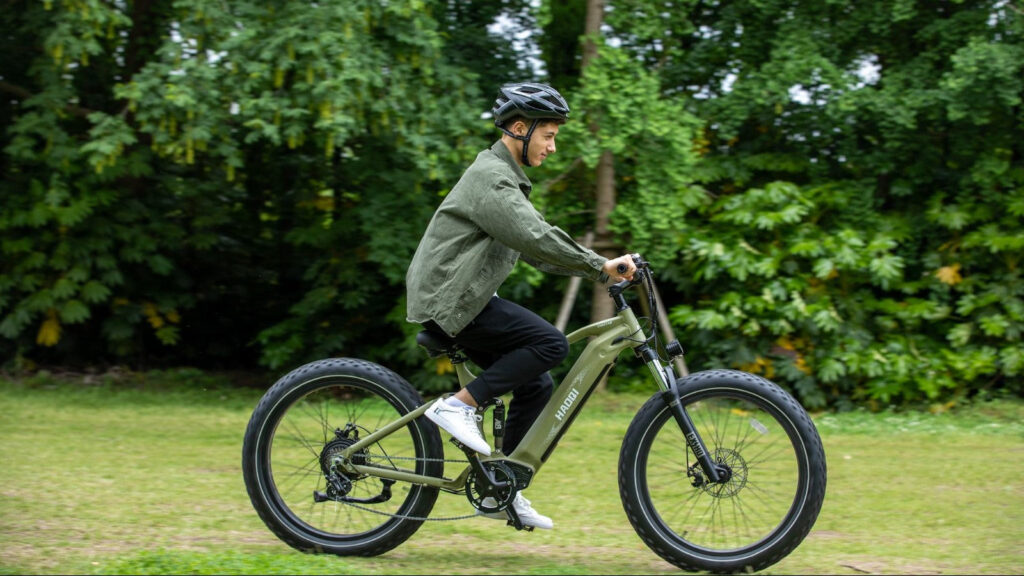
Keeping your Haoqi Cheetah bike in top shape requires regular maintenance. This not only ensures a smoother ride but also prolongs the life of your bike. Let’s dive into how you can maintain your bike for every season, making sure it’s always ready for your next adventure.
Maintaining Your Haoqi Cheetah Bike for Every Season
Each season presents unique challenges for bike maintenance. From the wet and muddy conditions of spring to the dry and dusty trails of summer, understanding what your bike needs during each season is crucial. We’ll walk through the essentials, so you’re well-equipped to handle whatever Mother Nature throws your way.
Why Regular Maintenance Matters
Regular maintenance is like giving your bike a health check-up. It helps catch small issues before they turn into costly repairs. Most importantly, it ensures your safety while riding. Imagine speeding down a hill only to discover your brakes aren’t working properly. Scary, right?
Besides that, maintenance improves performance. A well-lubricated chain and properly inflated tires make for a smoother and faster ride. Therefore, taking the time to perform routine checks can enhance your cycling experience significantly. For more detailed advice, check out this Bike Maintenance: 101 Basics Guide.
“Lubrication protects moving parts from excessive wear caused by friction, prevents them from ‘freezing up,’ and helps keep rust and corrosion at bay.”
Core Tools for the Job
Before you roll up your sleeves, make sure you have the right tools. Here’s a list of essentials you should have in your toolkit:
- Allen wrench set or multitool
- Bike lube
- Degreaser
- Tire pump
- Patch kit and spare tube
These tools will cover most of the basic maintenance tasks you’ll encounter. Investing in quality tools will save you time and frustration in the long run.
DIY vs Professional Servicing
Now, you might be wondering whether to handle bike maintenance yourself or leave it to the pros. Here’s a simple way to decide: if you’re comfortable with basic tools and enjoy hands-on work, DIY is a great option. It can be satisfying and cost-effective.
However, for more complex issues like derailleur adjustments or bearing overhauls, professional servicing is recommended. A skilled mechanic has the experience to ensure everything is tuned to perfection. Consider taking your bike for a professional tune-up at least once a year, especially if you ride frequently.
Spring Bike Maintenance Essentials
Spring is a time of renewal, and your bike deserves some attention after a long winter. Here’s how to get it ready for those fresh spring rides.
Pre-Ride Safety Checks
Before you hit the trails, a quick pre-ride check can prevent accidents and breakdowns. Here’s what to look for:
- Check tire pressure and inflate if necessary.
- Inspect brakes to ensure they’re functioning properly.
- Examine the chain for rust or wear and lubricate if needed.
- Ensure all bolts are tight, especially on the handlebars and seat post.
These simple checks can make a world of difference in your ride quality and safety.
Tire and Wheel Inspection Tips
Spring often brings wet and muddy conditions, which can be tough on your tires. Inspect them for any signs of wear or embedded debris. If your tires are looking worn, it might be time for a replacement. Also, make sure your wheels are properly aligned and true to avoid any wobbling.
Lubrication and Cleaning Advice
Spring is the perfect time to give your bike a thorough cleaning. Use a gentle soap and water to wash away winter grime. Once clean, apply a fresh coat of lubricant to the chain and other moving parts. This will help prevent rust and ensure smooth operation. For more tips on maintaining your bike’s performance, check out these affordable upgrade tips.
Remember, a clean bike is a happy bike. Regular cleaning not only makes your bike look good but also helps you spot potential issues early on.
Summer Bike Care Strategies
As the temperatures rise, your bike faces new challenges. Here’s how to keep it in peak condition during those hot summer months.
Checking and Adjusting Brakes
“Adjust Disc Brakes on an Electric Bike …” from boomebike.com
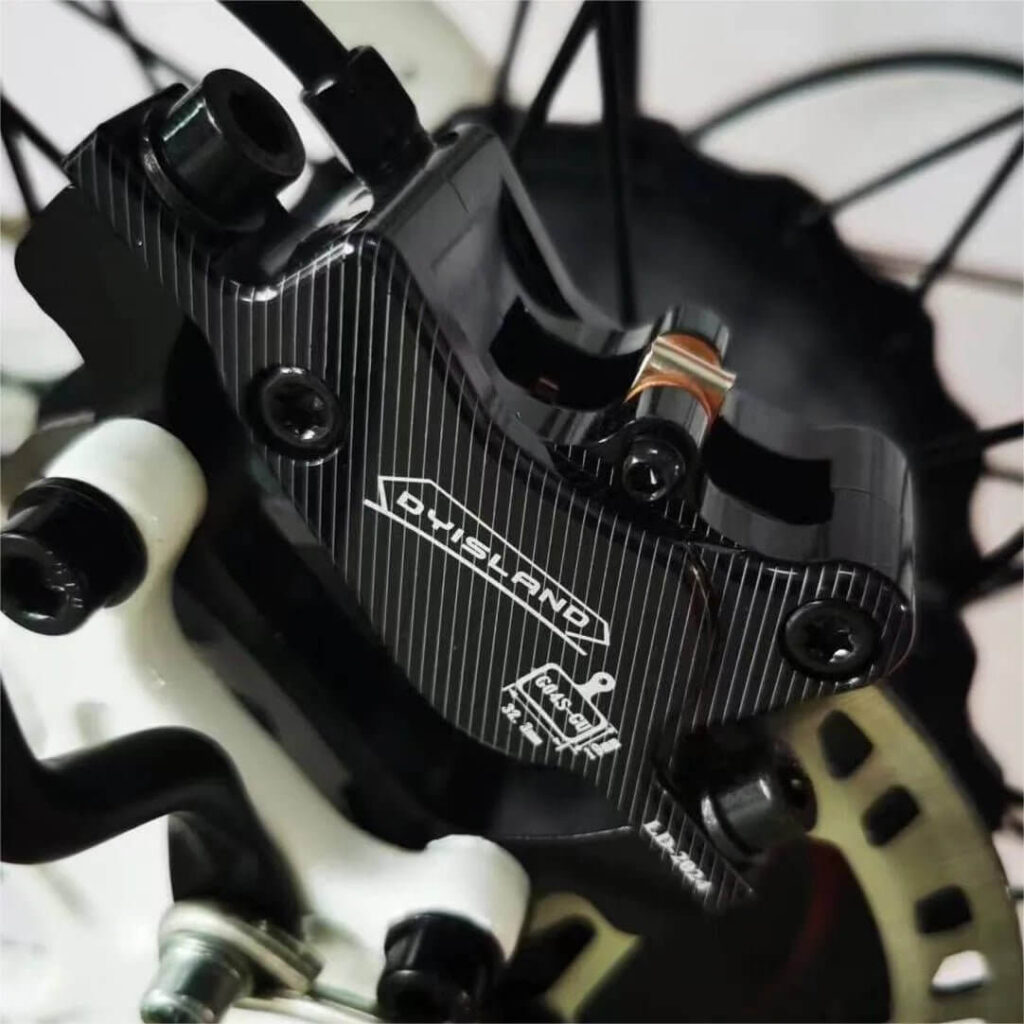
Heat can cause brake pads to wear faster, so regular checks are crucial. Inspect the pads for wear and replace them if they’re thin. Adjust the brake cables to ensure they engage properly. This will give you confidence in your stopping power, even on those long downhill stretches.
Ensuring Optimal Chain Health
Your bike chain is the heart of your drivetrain. Keeping it in top condition is crucial for smooth gear shifting and efficient power transfer. Regular cleaning and lubrication are key. After each ride, especially if it’s been wet or dusty, wipe down the chain with a clean cloth. Apply a quality bike lubricant, ensuring it penetrates all the links. Wipe off any excess to prevent dirt from sticking.
Every few weeks, give your chain a deeper clean using a degreaser. This will remove any built-up grime that could wear down the links. Remember, a well-maintained chain not only improves performance but also extends the life of your drivetrain components.
Proper Storage to Avoid Overheating
During the summer, it’s essential to store your bike in a cool, shaded area. Prolonged exposure to direct sunlight can cause tires to crack and degrade the paint. If possible, keep your bike indoors or use a bike cover for protection. For more tips on maintaining your bike’s performance, check out these terrain efficiency tips.
Additionally, avoid parking your bike on hot asphalt, as this can increase the temperature of the tires and lead to blowouts. Proper storage will help maintain your bike’s integrity and ensure it’s ready for your next ride. For more tips on keeping your bike in top condition, explore our guide on affordable Haoqi Cheetah upgrade tips.
Fall Maintenance Checklist
As the leaves begin to fall, it’s time to prepare your bike for the cooler months ahead. Fall is a transitional period, and your bike needs to be in top shape to handle changing weather conditions.
Gear Shifting Adjustments
With fluctuating temperatures, gear cables can expand and contract, affecting your shifting performance. Check the tension of your gear cables and make adjustments as needed. If you’re experiencing difficulty shifting, it might be time to replace worn cables or housing. For more detailed guidance, consider referring to this bike maintenance guide.
Frame and Fork Inspection
Fall is a great time to give your bike a thorough inspection. Check the frame and fork for any signs of damage, such as cracks or dents. If you notice anything unusual, consult a professional mechanic. It’s better to address potential issues now than face a breakdown on the road.
Cable and Housing Evaluation
Inspect all cables and housing for fraying or rust. Replace any damaged components to ensure smooth operation. This is particularly important for brakes and gears, as reliable performance is crucial for safety.
Don’t forget to lubricate the cables to prevent them from sticking, especially as the weather turns cooler and wetter.
Winter Bike Upkeep Recommendations
Winter riding can be tough on your bike, but with the right care, you can keep it in excellent condition. Cold temperatures and wet conditions require special attention to detail. For comprehensive insights on maintaining your bike during these challenging conditions, explore our guide on overcoming common issues.
Handling Wet and Cold Conditions
Riding in wet and cold conditions can lead to rust and corrosion if you’re not careful. After each ride, take the time to dry off your bike thoroughly. Pay special attention to the chain and other metal components. A quick wipe-down can prevent moisture from causing damage.
Additionally, consider using fenders to keep mud and water from splashing onto your bike. This will reduce the amount of cleaning required and protect your components from the elements.
Rust Prevention Techniques
- Keep your bike indoors whenever possible to avoid exposure to rain and snow.
- Apply a protective wax or coating to the frame to shield it from moisture.
- Regularly check for signs of rust and address them immediately with rust remover or sandpaper.
These simple steps can go a long way in preserving your bike’s appearance and functionality throughout the winter months. For more tips on maintaining your bike’s performance, check out our guide on overcoming common issues.
Another important tip is to use a heavier lubricant during the winter. This will help repel water and keep your chain running smoothly, even in harsh conditions.
Remember, a little extra care during the winter can save you from costly repairs and ensure your bike is ready to hit the road come spring.
Preparing for Off-Season Storage
If you plan to store your bike during the winter, proper preparation is key. Start by giving your bike a thorough cleaning and lubrication. This will protect it from rust while in storage.
Next, deflate the tires slightly to relieve pressure on the rims. Store your bike in a dry, cool place, preferably hanging to prevent flat spots on the tires.
Finally, cover your bike with a breathable cover to keep dust and moisture at bay. With these steps, your bike will be ready to ride when the warmer weather returns. For additional tips on ensuring your bike’s longevity, check out our guide on overcoming common issues.
Final Tips for Year-Round Performance
“HELPP! E-bike wheel keeps coming off …” from www.reddit.com
Maintaining your Haoqi Cheetah bike throughout the year ensures it stays in top condition, ready for any adventure. Regular attention to detail and a proactive approach can significantly extend the life of your bike and enhance your riding experience. For tips on maximizing your bike’s performance across different terrains, check out our terrain efficiency guide.
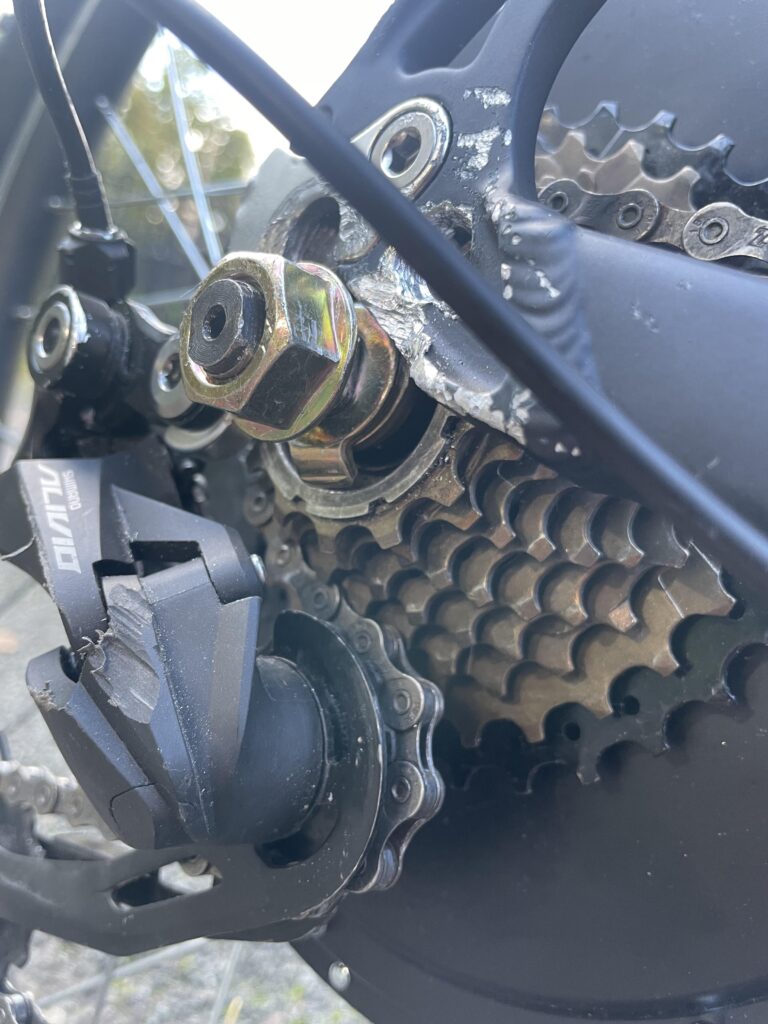
“Bicycles are held together by dozens of nuts and bolts. Maintaining a ‘tight ship’ is important because loose (or improperly tightened) bike parts can lead to serious wear and tear, cause poor performance and create a safety hazard.”
To achieve this, keep a maintenance checklist handy. Regularly inspect key components like brakes, gears, and tires. Most importantly, don’t wait for a problem to arise; preventive maintenance is your best friend.
Setting a Maintenance Schedule
Creating a maintenance schedule helps ensure that you don’t miss any critical upkeep tasks. Depending on how often you ride, set reminders for weekly, monthly, and seasonal checks. For example, check tire pressure and chain lubrication weekly, while more in-depth tasks like brake adjustments can be done monthly.
Adhering to a schedule not only keeps your bike in optimal condition but also helps you become more familiar with its mechanics, potentially preventing future issues.
Investing in Quality Parts
While it might be tempting to save money by purchasing cheaper components, investing in quality parts can save you from frequent replacements and potential breakdowns. High-quality parts often last longer and perform better, enhancing your overall riding experience.
Consider upgrading key components like the chain, brake pads, and tires as needed. Your bike will thank you with improved performance and reliability.
Resources for Further Reading
To further enhance your bike maintenance skills, consider exploring online tutorials and guides. Websites like REI and Cycling Weekly offer valuable insights and step-by-step instructions for various maintenance tasks. Additionally, joining local cycling groups or forums can provide you with firsthand advice and support from fellow cyclists.
Remember, continuous learning is key to becoming proficient in bike maintenance. The more you know, the better you can care for your Haoqi Cheetah bike.
Frequently Asked Questions
Here are some common questions that can help you better understand bike maintenance and address any concerns you might have. If you encounter specific issues, check out our guide on overcoming common issues with your bike.
How often should I check the tire pressure?
Checking tire pressure should be part of your pre-ride routine. Ideally, you should check it before every ride to ensure optimal performance and safety. Properly inflated tires provide better traction and reduce the risk of flats.
What is the best lubricant for my bike chain?
The best lubricant for your bike chain depends on the conditions you ride in. For dry conditions, a dry lube is preferable as it attracts less dirt. In wet conditions, a wet lube is more suitable as it provides better protection against moisture. Always clean your chain before applying new lube to ensure maximum effectiveness. For more tips on maintaining your bike, check out our terrain efficiency tips to maximize performance.
How can I prevent my bike from rusting during winter?
Preventing rust during winter involves regular cleaning and proper storage. Wipe down your bike after each ride to remove moisture and apply a rust-inhibiting lubricant to metal parts. Store your bike in a dry, sheltered place, and consider using a bike cover for added protection. For more tips on maintaining your bike, check out our Haoqi Cheetah Maintenance Guide.
When should I take my bike for professional servicing?
Take your bike for professional servicing at least once a year, or more frequently if you ride often or notice any performance issues. A professional mechanic can perform thorough checks and adjustments, ensuring your bike remains in top condition.
How do I choose the right tools for basic maintenance?
Choosing the right tools involves selecting quality items that cover essential maintenance tasks. A basic toolkit should include an allen wrench set, tire levers, a chain breaker, and a bike-specific multitool. Investing in a quality pump and a reliable patch kit is also recommended. Quality tools make maintenance tasks easier and more efficient.
Regular maintenance of your bike is crucial to ensure its longevity and performance. Checking tire pressure, lubricating the chain, and inspecting the brakes are essential tasks. For a comprehensive understanding, you can refer to this bike maintenance guide which provides detailed instructions on keeping your bike in top shape.



Leave a Reply