
Key Takeaways
- Ensure your e-bike is equipped with weather-appropriate tires to handle wet and slippery roads safely.
- Invest in waterproof clothing and gear to stay dry and comfortable during rainy commutes.
- Maintain optimal battery performance in cold weather by keeping it warm and fully charged.
- Use reflective gear and lights to enhance visibility during foggy and rainy conditions.
- Regularly check and maintain your e-bike to ensure it’s ready for any weather condition.
Mastering All-Weather E-Bike Commuting
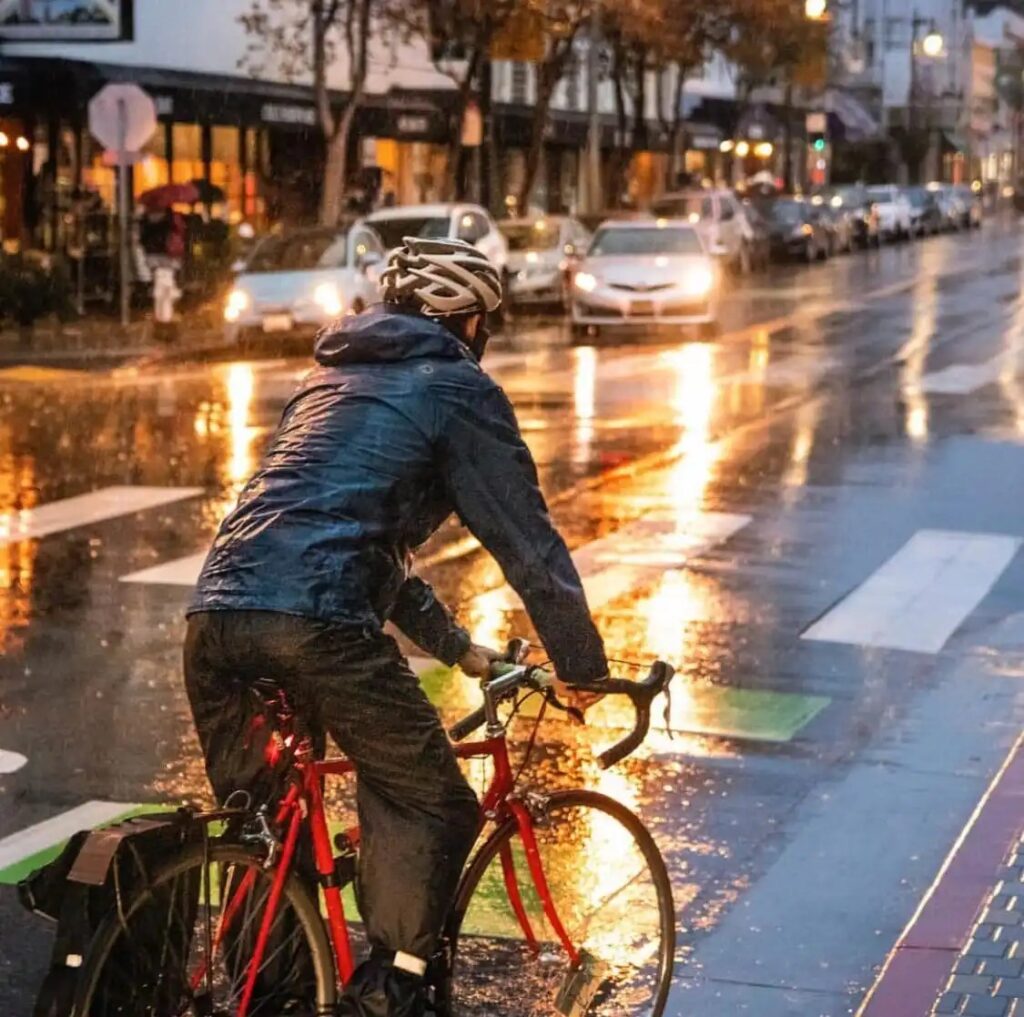
“The Ultimate Rain Gear Guide for Biking …” from biketoeverything.com
Riding an e-bike can be a fantastic way to commute, offering both environmental benefits and personal convenience. However, as with any form of transportation, weather can be a significant factor in your daily journey. Whether you’re dealing with rain, snow, or just chilly temperatures, having the right strategies and equipment can make all the difference. Let’s dive into how you can master all-weather e-bike commuting with confidence and ease.
Preparing for Various Weather Conditions
When it comes to commuting on an e-bike, preparation is key. Each weather condition presents unique challenges that require different strategies and equipment. Most importantly, understanding these conditions can help you plan your rides better and ensure your safety.
- Rain: Rainy conditions require waterproof clothing and gear. Make sure your e-bike has fenders to prevent splashes and keep your tires well-maintained to avoid slipping.
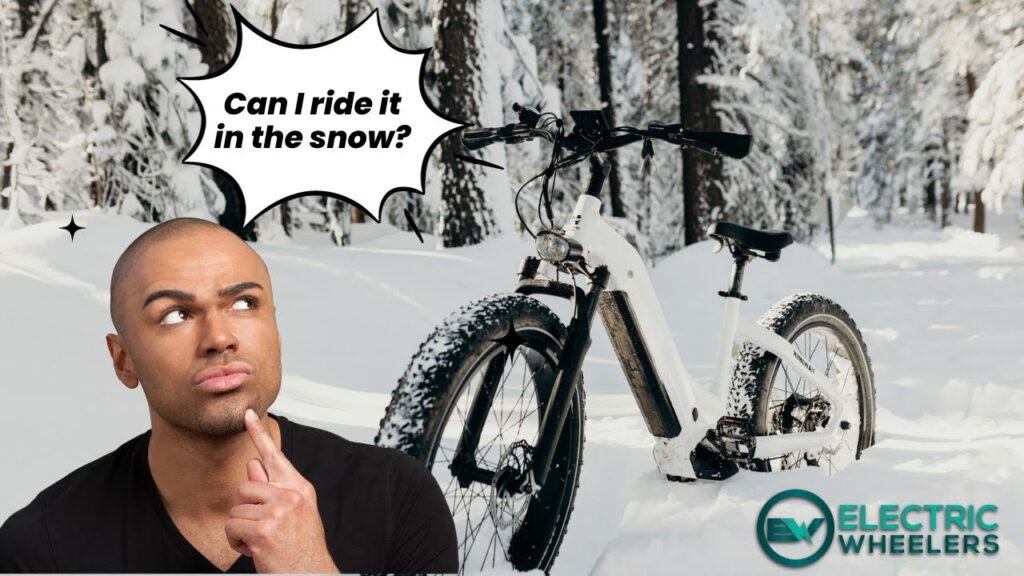
- Snow: For snowy conditions, consider using winter-specific tires with better grip. Dress in layers to stay warm, and allow extra time for your commute as you’ll need to ride more cautiously.
- Cold Weather: Cold weather affects battery performance, so keep your battery warm and fully charged. Wear insulated clothing and gloves to protect against the cold.
- Fog: In foggy conditions, visibility is crucial. Use bright lights and reflective gear to ensure you’re seen by other road users.
By anticipating these conditions and preparing accordingly, you’ll be ready for whatever Mother Nature throws your way.
Essential Gear for Wet and Cold Weather
Investing in the right gear can transform a miserable, wet commute into a comfortable ride. Waterproof clothing, such as jackets and pants, is essential to keep you dry. Besides that, waterproof gloves and shoe covers can prevent cold, wet hands and feet.
Layering is crucial when dealing with cold weather. Start with a moisture-wicking base layer, add an insulating middle layer, and top it off with a waterproof outer layer. This setup will help regulate your body temperature while keeping you dry.
Don’t forget about your e-bike. Equip it with fenders to shield yourself from water splashes and mud. Consider installing a weatherproof saddle cover to protect your seat from rain and snow.
Visibility Solutions for Foggy and Rainy Days
Visibility is a top priority when riding in fog or rain. Other road users need to see you clearly, and you need to see them. Start by equipping your e-bike with high-quality front and rear lights. LED lights are a great choice as they are bright and energy-efficient.
Wear reflective clothing or accessories, such as vests or bands, to increase your visibility. These items reflect light from car headlights, making you more noticeable in low-visibility conditions. For more tips on safe commuting, check out this beginner guide to riding an electric bike.
Additionally, consider using a helmet with built-in lights or a clip-on light. This added visibility can be crucial in ensuring your safety on the road. For more tips on staying safe, check out this beginner guide to riding an electric bike.
Haoqi E-Bike Adaptations
Adapting your Haoqi E-Bike for all-weather commuting involves a few modifications and maintenance routines. By tailoring your e-bike to withstand various weather conditions, you can enhance its performance and longevity.
Battery Management in Cold Weather
Cold weather can significantly impact the performance of your e-bike’s battery. Therefore, it’s crucial to take steps to protect it. Keep your battery warm by storing your e-bike indoors when not in use. If you must leave it outside, consider using a battery cover for insulation.
Charge your battery fully before heading out, as a fully charged battery performs better in the cold. Monitor the battery level regularly during your ride, and plan your routes to include places where you can recharge if necessary. For more tips on maintaining your e-bike, check out the Haoqi Eagle maintenance guide.
By managing your battery wisely, you can maintain your e-bike’s performance even in chilly temperatures. For more tips on keeping your e-bike in top shape, check out our HAOQI Eagle maintenance guide.
Safety Precautions for All-Weather Riding

“Rainy Day In New York …” from www.youtube.com
Safety is paramount when commuting on an e-bike, especially in varying weather conditions. Different weather scenarios can introduce unique hazards, but with the right precautions, you can navigate them safely.
First, always wear a helmet. It’s the most basic safety measure, yet it’s crucial. A helmet protects your head in case of falls or collisions, which are more likely in adverse weather conditions.
Next, ensure your e-bike is equipped with the proper lights and reflectors. This is essential for both seeing and being seen by other road users. Good visibility can prevent accidents, particularly in low-light conditions like fog or rain.
- Check tire pressure: Properly inflated tires provide better grip and stability, especially on wet or icy roads.
- Use hand signals: Always signal your intentions to other road users to avoid misunderstandings.
- Stay alert: Keep an eye out for obstacles or changes in road conditions, such as potholes or icy patches.
- Adjust speed: Slow down when the weather is bad to give yourself more time to react to unexpected situations.
Understanding Road Hazards and Navigation
Weather can transform familiar routes into challenging terrains. Wet roads can be slippery, while snow can obscure road markings. Understanding these hazards and knowing how to navigate them is key to a safe commute.
On wet roads, avoid sudden braking or sharp turns, as these can lead to skidding. Instead, brake gently and gradually, and take turns slowly to maintain control. If you encounter ice, try to keep your bike as straight as possible and avoid sudden movements.
Adjusting Riding Techniques for Different Conditions
Different weather conditions require different riding techniques. In rain, for example, your stopping distance increases, so give yourself more space from vehicles in front of you. In windy conditions, lower your body to reduce drag and maintain stability.
Importance of Regular Equipment Checks
Regular maintenance checks are essential to ensure your e-bike is in top condition, especially when facing harsh weather conditions. Inspect your brakes, lights, and tires frequently to ensure they’re functioning correctly.
Besides that, check the battery connections and ensure they’re secure and dry to prevent issues with power delivery. Regular cleaning and lubrication of your chain and gears will also help prevent rust and keep your e-bike running smoothly.
Optimizing Comfort and Efficiency
Comfort and efficiency are vital for an enjoyable e-bike commute, regardless of the weather. By optimizing your gear and route, you can enhance your riding experience.
Start by ensuring your clothing is both comfortable and weather-appropriate. Layering is key to adapting to changing temperatures, while breathable fabrics help manage perspiration.
Layering Clothing for Temperature Control
Layering allows you to adjust your clothing to match the temperature. Start with a moisture-wicking base layer to keep sweat away from your skin. Add an insulating middle layer for warmth, and finish with a waterproof outer layer to protect against wind and rain.
This approach not only keeps you comfortable but also prevents overheating, allowing you to focus on your ride without distraction. For more tips on enhancing your ride, check out this beginner guide to riding an electric bike.
Efficient Route Planning Using Technology
Technology can be a great ally in planning efficient routes. Use GPS apps to find the quickest and safest paths, avoiding areas prone to flooding or heavy traffic. Some apps even offer real-time weather updates, helping you adjust your route as needed.
By planning your route with technology, you can save time and reduce stress, making your commute more enjoyable. For those interested in enhancing their biking experience, consider exploring the Haoqi Eagle electric bike setup guide for your first ride.
Managing Physical Exertion in Varying Conditions
“Winter E-Bike Riding: 9 Key Aspects to …” from www.youtube.com
Riding an e-bike requires physical effort, which can vary depending on the weather. In colder temperatures, your body burns more energy to stay warm, while hot weather can lead to quicker dehydration.
Stay hydrated by carrying a water bottle, and take breaks as needed to prevent fatigue. Listen to your body and adjust your pace to maintain a comfortable level of exertion. For more tips on comfortable rides, check out this guide on comfort for long rides.
Adapting to Seasonal Changes
Seasons change, and so do the demands on your e-bike commute. Being prepared for these transitions can ensure a smooth ride year-round.
Spring and fall are transitional seasons that often bring unpredictable weather. Therefore, it’s wise to check the forecast regularly and adjust your gear accordingly.
- Spring: Prepare for rain by ensuring your waterproof gear is in good condition.
- Summer: Focus on sun protection and hydration to combat heat.
- Fall: Be ready for cooler temperatures and shorter daylight hours.
- Winter: Equip your e-bike with winter tires and ensure your lights are fully functional.
By adapting your gear and strategies to each season, you can enjoy a comfortable and efficient commute no matter the time of year. For more tips on e-bike commuting, check out this beginner guide on riding an electric bike.
Regular maintenance is key during seasonal changes. Check your e-bike for wear and tear, and make any necessary adjustments to keep it running smoothly. For more detailed guidance, refer to this beginner guide on riding an electric bike.
Preparing for Seasonal Transitions
As seasons change, so do the challenges of commuting on your e-bike. Each season brings its own set of weather conditions, which can affect your ride. Preparing for these transitions involves anticipating changes and making necessary adjustments to your gear and e-bike.
In spring, be ready for rain and fluctuating temperatures. Ensure your waterproof gear is in good condition and your e-bike is equipped with fenders to handle wet roads. As temperatures rise in summer, focus on sun protection. Wear breathable, light-colored clothing to stay cool and hydrated. Fall brings cooler temperatures and shorter daylight hours, so ensure your lights are fully functional and dress in layers for warmth.
Adjusting Maintenance for Different Seasons
Regular maintenance is crucial for keeping your e-bike in top condition year-round. Seasonal changes can impact your e-bike’s performance, so adjusting your maintenance routine is essential. During winter, check your tires for adequate tread to handle icy conditions and ensure your battery connections are secure and dry to prevent power issues. In spring, clean and lubricate your chain to remove any buildup from winter riding. In summer, monitor tire pressure as heat can cause it to fluctuate, and in fall, inspect your lights and brakes to ensure they’re ready for darker commutes.
Upgrading Accessories for Seasonal Comfort
Upgrading your accessories can enhance your comfort and safety during seasonal transitions. Consider investing in a high-quality rain cover for your e-bike to protect it from moisture. A set of handlebar mitts can keep your hands warm in winter, while a cooling vest can help regulate your temperature in summer.
For added safety, upgrade your lights to brighter, more energy-efficient LEDs and add reflective tape to your bike and gear for increased visibility. By making these upgrades, you can ensure a more comfortable and secure ride, no matter the season.
Frequently Asked Questions (FAQ)
Understanding how to adapt your e-bike commute to different weather conditions can raise many questions. Here are some common inquiries and their solutions to help you navigate all-weather commuting with confidence.
These FAQs provide practical solutions to common challenges faced by e-bike commuters. By addressing these questions, you can enhance your commuting experience and ensure a safe and enjoyable ride.
How Do I Keep My Battery Performing Well in Cold Weather?
To maintain your battery’s performance in cold weather, keep it warm by storing your e-bike indoors or using a battery cover for insulation. Charge it fully before each ride, as a fully charged battery performs better in the cold. Additionally, monitor the battery level regularly during your ride and plan your routes to include places where you can recharge if necessary.
What Tires Are Best for Wet and Icy Conditions?
For wet and icy conditions, choose tires with deeper tread patterns and wider profiles for better grip. Winter-specific tires are designed to handle slippery surfaces and provide enhanced traction. Regularly check your tire pressure to ensure optimal performance, as under-inflated tires can reduce grip and stability.
How Can I Increase My Visibility During Foggy Days?
To increase visibility during foggy days, equip your e-bike with high-quality front and rear LED lights. Wear reflective clothing or accessories, such as vests or bands, to enhance your visibility to other road users. Additionally, consider using a helmet with built-in lights or a clip-on light for added visibility. For more tips on riding in adverse conditions, check out our guide on performance and durability in harsh weather.
What Maintenance Should I Perform Before Winter Riding?
Before winter riding, perform a thorough inspection of your e-bike. Check the brakes, lights, and tires for proper function. Ensure your battery connections are secure and dry to prevent power issues. Clean and lubricate your chain and gears to prevent rust and ensure smooth operation. By performing these maintenance tasks, you can prepare your e-bike for the challenges of winter commuting.
How Do I Protect My E-Bike from Rain Damage?
To protect your e-bike from rain damage, invest in a waterproof cover to shield it from moisture when not in use. Install fenders to prevent water splashes and mud from reaching the bike’s components. Regularly clean and dry your e-bike after riding in the rain to prevent rust and corrosion. By taking these precautions, you can extend the life of your e-bike and maintain its performance. For more on maintaining your e-bike, check out our setup guide for first ride.
With these tips and adaptations, you can confidently tackle all-weather commuting on your e-bike. By preparing for various weather conditions, investing in essential gear, and maintaining your e-bike, you can enjoy a safe, comfortable, and efficient ride, no matter the season.
Commuting with an e-bike offers a unique blend of convenience and efficiency, especially for those navigating urban environments. As riders become more accustomed to their electric bikes, they often seek ways to optimize their experience. Factors such as terrain, weather, and bike maintenance can significantly impact the speed and performance of a commuter e-bike. For those interested in understanding these dynamics better, exploring what affects the speed of a commuter e-bike can be quite enlightening.


Leave a Reply