
Key Takeaways
- E-bikes are classified into three categories: Class 1, Class 2, and Class 3, each with specific speed and motor-assistance limits.
- Federal guidelines provide a baseline for e-bike regulations, but states have the authority to impose stricter laws.
- Some states require licenses and registration for certain classes of e-bikes, especially those with higher speeds.
- Local city regulations can dictate where e-bikes can be ridden, such as on bike paths, sidewalks, or roads.
- Keeping up with local e-bike laws ensures safe and legal riding, and updates can usually be found on state DMV websites.
Understanding E-Bike Classifications and Their Importance

“Electric Bike Safety | How to Ride an E …” from www.bicycling.com
Riding an e-bike can be a fantastic way to get around, but understanding the classifications is crucial for ensuring you’re following the law. E-bikes are generally divided into three classes, each with its own set of regulations. Knowing which class your e-bike falls into helps you understand where you can ride it and what rules you need to follow.
Definition and Categories of E-Bikes
Let’s break down these categories:
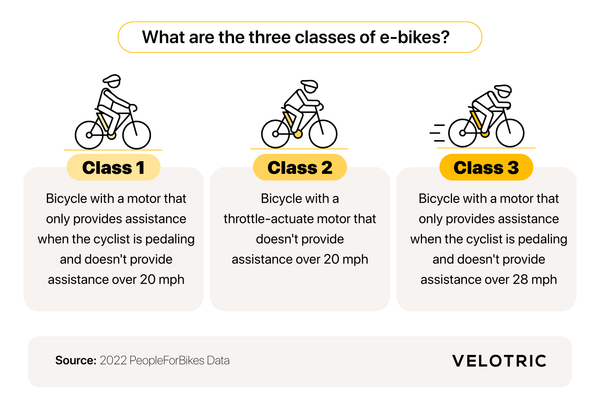
- Class 1: These e-bikes provide assistance only when you pedal and stop assisting at 20 mph.
- Class 2: These come with a throttle and can propel the bike up to 20 mph without pedaling.
- Class 3: These are pedal-assist bikes that provide assistance up to 28 mph. They often have a speedometer and are subject to more regulations.
Understanding these categories is essential because they determine where you can legally ride your e-bike. For example, Class 1 e-bikes are typically allowed on bike paths, whereas Class 3 bikes might be restricted to roads.
Significance of Classifications in Regulations
The classification system isn’t just for show; it plays a vital role in how e-bikes are regulated. Most importantly, it affects where you can ride, whether you need a license, and if registration is required. These rules are in place to ensure safety for all road users, including pedestrians, cyclists, and motorists.
For instance, Class 3 e-bikes, due to their higher speeds, might require a helmet and be restricted from certain bike paths. These regulations help mitigate risks associated with faster-moving bikes in pedestrian-heavy areas.
Federal vs. State E-Bike Regulations
In the United States, e-bike regulations operate under a dual system: federal and state. This means that while there are overarching federal guidelines, each state has the authority to implement its own rules. This can make understanding e-bike laws a bit complex, but it’s crucial for legal riding.
Overview of Federal Guidelines for E-Bikes
Federal guidelines classify e-bikes as bicycles, as long as they meet specific criteria regarding speed and motor power. This classification exempts them from certain motor vehicle regulations, making them more accessible to the public. However, these guidelines serve as a baseline, and states can choose to impose stricter rules. For more information on how e-bike power output can affect their classification, check out this analysis of power output fluctuations.
State-Specific Rules and Examples
Because states have the power to establish their own regulations, e-bike laws can vary significantly. For example, New York has specific regulations that dictate where different classes of e-bikes can be used. In contrast, California has embraced the three-class system, offering a clear framework for riders.
It’s essential to check your state’s specific laws to ensure compliance. Some states may have unique requirements for certain classes, like speed limitations or helmet mandates. For a deeper understanding of urban riding and common mistakes, you can refer to this guide on urban e-bike riding. Failure to adhere to these rules could result in fines or other penalties.
License and Registration Requirements
Licensing and registration requirements for e-bikes also vary by state. Generally, Class 1 and Class 2 e-bikes don’t require a license or registration. However, Class 3 bikes, due to their higher speeds, might necessitate these legal formalities in some states.
States like Massachusetts and North Dakota have specific licensing requirements for certain e-bike classes. Always check with your local Department of Motor Vehicles (DMV) to get the latest information and avoid any legal troubles. For more on e-bike safety, consider the benefits of using a smart helmet.
Speed Limit Regulations
Speed limit regulations for e-bikes are essential for ensuring the safety of both riders and pedestrians. Typically, Class 1 and Class 2 e-bikes are limited to speeds of 20 mph, while Class 3 e-bikes can reach up to 28 mph. These limits are in place to balance the benefits of e-bikes with public safety concerns. It’s crucial to adhere to these speed limits, especially in areas with heavy pedestrian traffic or on shared-use paths. For tips on safely transporting your e-bike, check out our guide on securely transporting foldable e-bikes.
Moreover, some local jurisdictions might impose stricter speed limits in specific areas, such as parks or school zones. Always keep an eye out for posted signs and adjust your speed accordingly. Riding responsibly not only keeps you safe but also helps maintain the positive image of e-bike riders in the community.
Helmet and Age Requirements
Helmet and age requirements can vary widely depending on where you live. Many states mandate helmet use for riders of Class 3 e-bikes, given their higher speeds. For Class 1 and Class 2 e-bikes, helmet laws might be less stringent, but wearing one is always a smart safety choice.
Regarding age restrictions, some states set a minimum age for operating e-bikes, especially for Class 3 models. For example, California requires riders to be at least 16 years old to operate a Class 3 e-bike. These regulations aim to ensure that riders have the necessary maturity and skills to handle the bike safely.
Safety Equipment and Maintenance Requirements
“Essential Safety Gear for E-Bike Riders …” from www.jasionbike.com
Maintaining your e-bike and using the right safety gear are crucial for a safe riding experience. Proper equipment not only protects you but also ensures your e-bike operates efficiently and legally. For insights into maintaining optimal performance, check out our guide on Zhengbu brake solutions.
Mandatory Safety Gear
While helmets are often the most discussed piece of safety gear, other equipment is equally important. Reflective clothing, lights, and bells can help increase your visibility to other road users, reducing the risk of accidents. Some jurisdictions might require these items, especially for nighttime riding.
Importance of Regular Maintenance
- Check tire pressure and tread regularly to ensure a smooth and safe ride.
- Inspect brakes for wear and responsiveness; they are crucial for stopping safely.
- Keep your chain clean and lubricated to prevent wear and improve efficiency.
- Test the battery and electrical components regularly to ensure they function correctly.
Regular maintenance not only extends the life of your e-bike but also ensures it remains safe to ride. Neglecting these tasks can lead to mechanical failures, which can be dangerous, especially at higher speeds. For more tips on maintaining your e-bike, check out our brake solutions and performance tips.
Consider setting a maintenance schedule or taking your e-bike to a professional for regular check-ups. This proactive approach can save you from unexpected breakdowns and keep you safe on the road.
Additionally, always carry a basic repair kit when riding, including a pump, spare tube, and multi-tool. Being prepared can make a big difference if you encounter issues while out on a ride.
Land Use and Trail Accessibility
Understanding where you can legally ride your e-bike is just as important as knowing how to ride it. Different areas have specific rules about e-bike use, especially in public spaces like parks and trails.
Rules for Using E-Bikes in Public Parks
Many parks allow e-bikes, but there may be restrictions based on the class of e-bike or the specific trail. Class 1 e-bikes are often permitted on trails where traditional bikes are allowed, while Class 2 and 3 might face limitations.
It’s essential to check with local park authorities before riding to ensure compliance with their rules. Some parks might require permits or have specific paths designated for e-bike use.
Respecting these rules helps preserve the natural environment and ensures that all park users can enjoy the space safely.
Designated Trails and Accessibility
Designated trails for e-bikes can vary, with some areas providing specific paths that accommodate e-bikes. These trails often consider factors like width, surface material, and incline, ensuring a safe and enjoyable ride.
Before heading out, research local trails to find those best suited for your e-bike class. This preparation can enhance your riding experience and help you avoid any legal issues. For tips on how to securely transport your e-bike to these trails, check out this guide on transporting foldable e-bikes.
Guidelines for Mountain Bike Trails
Mountain bike trails present unique challenges for e-bike riders. While some trails welcome e-bikes, others might prohibit them due to environmental concerns or trail conditions.
Always check trail guidelines before riding and respect any restrictions in place. Riding responsibly on mountain trails not only ensures your safety but also preserves these beautiful areas for future riders. For tips on avoiding common mistakes, especially when riding in urban areas, you can refer to this guide on common user mistakes.
Keeping Up with Regulatory Changes
Staying informed about e-bike regulations is crucial for safe and legal riding. Regulations can change, so it’s important to stay updated.
Regularly check your state’s DMV website or local transportation authority for the latest updates on e-bike laws. Many states offer resources and newsletters to keep you informed.
Engaging with local bike organizations can also be a valuable way to stay updated. These groups often advocate for cyclists’ rights and can provide insights into upcoming regulatory changes.
Where to Find Regular E-Bike Law Updates
To stay updated on e-bike regulations, the best resource is your state’s Department of Motor Vehicles (DMV) website. These sites often provide comprehensive information on current laws, licensing requirements, and any changes to regulations. Besides, local government websites may also offer updates on specific city or county rules.
Additionally, subscribing to newsletters from reputable e-bike manufacturers or cycling advocacy groups can keep you informed about national and state-level changes. These organizations frequently send out updates when significant legislative changes occur, helping you stay compliant without having to constantly check for updates yourself.
Importance of Engaging with Local Bike Organizations
Engaging with local bike organizations is not just beneficial for staying informed about regulations; it also connects you with a community of fellow riders. These organizations often have direct lines of communication with local authorities and can provide insights into upcoming changes or public consultations regarding e-bike laws.
Moreover, these groups frequently organize events, workshops, and rides that can enhance your knowledge and skills. Participating in these activities can make you a more confident and law-abiding rider, while also advocating for better cycling infrastructure and policies in your area.
The Role of Community Participation in Law Development
Community participation plays a crucial role in shaping e-bike laws. By getting involved in local meetings or public forums, you can voice your opinions and contribute to the development of regulations that affect your riding experience. Your feedback can help ensure that new laws are fair, practical, and beneficial to all road users.
Besides attending meetings, writing to your local representatives or participating in surveys can also make a difference. These actions demonstrate to policymakers that there is a vested interest in the cycling community, which can lead to more thoughtful and inclusive legislation. For more information on how to navigate these changes, check out our guide on local laws and regulations for electric bikes.
Conclusion: Riding Safely and Responsibly
“Electric Bike Laws by State – Velotric” from www.velotricbike.com
Understanding and adhering to e-bike regulations is essential for safe and responsible riding. By familiarizing yourself with the classifications, federal and state laws, and local ordinances, you ensure not only your safety but also that of others around you. Remember, being informed and compliant makes for a smoother, more enjoyable ride.
Staying proactive in maintaining your e-bike and using the appropriate safety gear further enhances your riding experience. Ultimately, respecting the rules and being an engaged community member can help shape a positive future for e-bike riders everywhere.
Frequently Asked Questions (FAQ)
Understanding e-bike regulations can be confusing, but here are some frequently asked questions that might help clarify common concerns. For example, if you’re curious about common user mistakes in urban riding, we have resources that can help.
What are the classification differences for e-bikes?
E-bikes are typically classified into three categories:
- Class 1: Pedal-assist only, up to 20 mph.
- Class 2: Throttle-assisted, up to 20 mph.
- Class 3: Pedal-assist, up to 28 mph, often with additional requirements like helmets.
Do I need a license to ride an e-bike?
Most states do not require a license for Class 1 and Class 2 e-bikes. However, Class 3 e-bikes may require a license or registration, depending on the state. Always check with your local DMV for specific requirements.
Can I ride my e-bike on sidewalks?
This depends on local regulations. Generally, e-bikes are not allowed on sidewalks unless specified by local laws. It’s crucial to check your city or town’s rules to avoid fines or penalties.
- Class 1 e-bikes are usually allowed on bike paths.
- Class 2 e-bikes might be restricted to certain areas.
- Class 3 e-bikes are often limited to roads or designated bike lanes.
Are there age restrictions for riding e-bikes?
Yes, many states impose age restrictions, particularly for Class 3 e-bikes. For example, California requires riders to be at least 16 years old for Class 3 e-bikes. Always verify age requirements in your state to ensure compliance.
Besides age, some states may also require parental consent for minors to ride certain classes of e-bikes, adding an extra layer of safety and responsibility.
How often should I check for updates on e-bike laws?
It’s a good idea to check for updates at least twice a year, as regulations can change. Additionally, subscribe to newsletters from local bike organizations or state transportation departments for timely updates.
Being proactive about staying informed not only helps you ride legally but also contributes to the overall safety and acceptance of e-bikes in your community. For instance, understanding the performance and effective fixes for your e-bike’s brake solutions can enhance your riding experience.
By staying informed and engaged, you can enjoy the freedom and convenience of e-bikes while ensuring a safe and legal riding experience for everyone. Happy cycling!



Leave a Reply