
E-bikes, like the Eagle Liberty, have become increasingly popular as a sustainable and efficient mode of transportation. However, several myths and misconceptions persist, potentially deterring prospective riders from experiencing the numerous benefits of e-bikes. In this article, we’ll debunk five common myths surrounding the Eagle Liberty electric bike, providing clarity and empowering eco-friendly commuters with accurate information.
Key Takeaways
- E-bikes are not just for lazy people; they offer significant health benefits and opportunities for increased physical activity.
- While the initial cost of an e-bike might seem high, they provide long-term savings compared to conventional transportation methods.
- E-bikes have a lower carbon footprint than cars, making them an environmentally friendly transportation option.
- Electric bikes are not only for the elderly; they are popular among various age groups, including young commuters and fitness enthusiasts.
- Safety features and regulations ensure that e-bikes are a secure mode of transportation.
Eagle Liberty Electric Bike: Debunking Common Myths

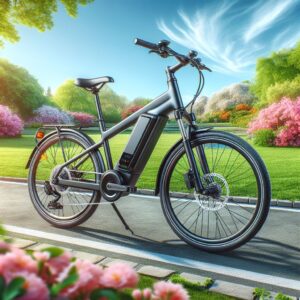
“Eagle electric bike” from www.bikeradar.com
The Eagle Liberty electric bike is a model that’s often misunderstood due to prevalent myths. Let’s dive into these misconceptions and set the record straight.
E-Bikes and Physical Activity
One of the most pervasive myths about electric bikes is that they are only for lazy people. This couldn’t be further from the truth. In fact, e-bikes can significantly enhance physical activity levels.
- Electric bikes come with pedal-assist features, allowing riders to control the level of assistance they receive. This means you can choose to pedal harder for more exercise or use the motor for a little help on tougher terrains.
- Studies show that e-bike riders tend to ride more frequently and for longer distances compared to traditional cyclists, contributing to overall better fitness levels.
- For those recovering from injuries or with physical limitations, e-bikes provide an opportunity to stay active without overexerting themselves.
Therefore, using an e-bike does not mean you are avoiding exercise; rather, it opens up more opportunities for physical activity, making cycling accessible to a wider audience.
Cost Efficiency of E-Bikes
Another common myth is that e-bikes are prohibitively expensive. While it’s true that the initial purchase price can be higher than a traditional bicycle, the long-term savings are substantial.
Consider the cost comparison with other modes of transportation. Owning a car involves expenses such as fuel, insurance, maintenance, and parking fees. In contrast, e-bikes require minimal maintenance, have no fuel costs, and don’t need insurance in many areas.
Environmental Impact
Many people worry that e-bikes are bad for the environment, but this myth doesn’t hold up under scrutiny. E-bikes have a much lower carbon footprint compared to cars. They consume far less energy and produce no emissions during operation.
Moreover, advancements in battery technology and recycling processes have made e-bikes an increasingly sustainable choice. Many manufacturers are now using renewable energy sources for production and encouraging responsible battery disposal practices.
E-Bike Usage by Different Age Groups
Some assume that e-bikes are only for the elderly, but this stereotype is outdated. E-bikes are popular among a diverse range of riders, from young professionals using them for their daily commute to fitness enthusiasts looking for a versatile workout option.
In fact, the flexibility and ease of use offered by e-bikes make them an attractive choice for anyone seeking a practical and enjoyable mode of transport.
Safety Features in Electric Bikes
Safety is a top priority for e-bike manufacturers, and the Eagle Liberty is no exception. Modern e-bikes come equipped with various safety features, such as speed limiters, advanced braking systems, and durable frames.
Additionally, riders can enhance their safety by following basic cycling rules, wearing protective gear, and staying informed about local regulations.
Myth 1: Electric Bikes Are for Lazy People
Let’s explore this myth in more detail. The notion that e-bikes are for lazy individuals overlooks the active role riders play in using these bikes.
The Role of Pedal Assist
Pedal assist is a key feature of e-bikes that allows riders to control the level of electric assistance they receive. This means that while you get some help from the motor, you are still actively pedaling and engaging in physical exercise. For more insights, check out this article on e-bike myths debunked.
Comparative Exercise Benefits
- E-bikes encourage more frequent and longer rides, increasing overall physical activity.
- Riders can adjust the pedal-assist level to match their fitness goals, ensuring a customizable workout experience.
- E-bikes make cycling more accessible for individuals with physical limitations, providing a means to stay active.
These benefits demonstrate that e-bikes are not just for those looking to avoid exercise but are a tool for enhancing physical activity and fitness.
Increased Riding Opportunities
Because e-bikes reduce the effort required for cycling, riders are more likely to choose their e-bike over a car or public transport for various trips. This increased usage leads to greater physical activity and improved health outcomes.
Myth 2: Electric Bikes Are Too Expensive

“How to Calculate Your Cost Price” from www.orderspace.com
It’s a common misconception that electric bikes, such as the Eagle Liberty, are too costly for the average person. While the upfront cost might seem high compared to a traditional bicycle, the long-term savings are significant.
When you consider the expenses associated with owning a car, like gas, maintenance, insurance, and parking fees, an e-bike emerges as a more economical option. E-bikes require less maintenance, have no fuel costs, and in many places, don’t require insurance. For more insights, check out this article on e-bike myths debunked.
Initial Costs vs. Long-Term Savings
The initial investment for an e-bike can range from $1,000 to $3,000, depending on the model and features. However, this cost is offset by the savings you’ll experience over time. For instance, you’ll save on fuel, which can amount to hundreds of dollars annually. Additionally, maintenance for an e-bike is generally less expensive than for a car.
Comparison with Conventional Transportation Costs
Let’s break down the costs. Owning a car can cost between $6,000 to $9,000 annually when you factor in fuel, insurance, maintenance, and other expenses. In contrast, maintaining an e-bike typically costs less than $500 per year. This stark difference highlights the financial benefits of choosing an e-bike for your daily commute. For more insights, check out this article on e-bike myths busted.
Options for Budget Buyers
For those concerned about the initial cost, there are budget-friendly options available. Many retailers offer financing plans, allowing you to spread the cost over several months. Additionally, some cities provide subsidies or incentives for purchasing e-bikes, making them even more accessible.
Myth 3: Electric Bikes Are Bad for the Environment
Another myth is that electric bikes are harmful to the environment. This misconception likely stems from concerns about battery production and disposal. However, when compared to cars, e-bikes have a much smaller environmental impact.
Carbon Footprint of Manufacturing and Usage
The production of e-bikes does involve energy use and emissions, but this is minimal compared to car manufacturing. Once in use, e-bikes produce no emissions, making them an eco-friendly transportation option. Over their lifespan, e-bikes contribute significantly less to air pollution than vehicles powered by fossil fuels.
Renewable Energy Integrations
Many e-bike manufacturers are adopting renewable energy sources in their production processes, further reducing their environmental impact. Additionally, charging an e-bike with solar or wind energy can make your commute even more sustainable.
Furthermore, the shift towards greener production methods is gaining momentum, with companies focusing on reducing waste and using recycled materials.
Eco-Friendly Battery Disposal Practices
Batteries are a concern for many, but responsible disposal and recycling practices are key. Most e-bike manufacturers have programs in place to recycle old batteries, ensuring that they don’t end up in landfills. By participating in these programs, you can contribute to a more sustainable cycling culture.
Myth 4: Electric Bikes Are Only for the Elderly
There’s a stereotype that e-bikes are only suitable for older adults. While it’s true that e-bikes offer a fantastic way for seniors to stay active, they are far from being limited to this demographic. In fact, e-bikes are gaining popularity across all age groups.
Popularity Among Commuters and Young Riders
Young professionals are increasingly turning to e-bikes for their daily commutes. The convenience and efficiency of e-bikes make them an attractive alternative to public transport or driving, especially in congested urban areas. For those interested in the latest innovations in electric bikes, there are many exciting developments to explore.
In cities around the world, e-bike sharing programs are flourishing, further proving their appeal among younger riders who value flexibility and speed.
Moreover, e-bikes are becoming a trendy choice for students, allowing them to navigate campuses easily and affordably.
- They offer a cost-effective transportation option for students and young professionals.
- E-bikes provide a fun and efficient way to explore urban environments.
- Many riders appreciate the ability to avoid traffic and reduce commute times.
Fitness Enthusiasts Using E-Bikes
Fitness enthusiasts are also embracing e-bikes as part of their workout routines. The adjustable assistance levels allow riders to tailor their workouts, offering both cardio and strength training benefits. E-bikes enable longer rides, helping users build endurance without overexertion.
Trend in Recreational Usage
Recreational use of e-bikes is on the rise, offering a unique way to enjoy the outdoors. Whether it’s a leisurely ride through the park or an adventurous trail ride, e-bikes cater to all kinds of recreational needs. This versatility makes them appealing to a broad range of users, from families enjoying a weekend outing to thrill-seekers looking for a new challenge.
Myth 5: Electric Bikes Are Unsafe

“Fear 101: The Science Behind Feeling …” from www.wecaremoreohio.com
Safety concerns often deter people from trying e-bikes. However, these fears are largely unfounded. E-bikes are designed with safety in mind, incorporating numerous features to ensure rider protection.
Speed Regulations and Limitations
E-bikes are subject to strict speed regulations to ensure safety. In most regions, e-bikes are limited to speeds of 20 to 28 mph, depending on the class of the bike. These limits help prevent accidents and make e-bikes a safe option for riders of all skill levels. For more insights on how technology enhances safety, check out the smart technology in HAOQI Eagle.
Built-in Safety Features
Modern e-bikes are equipped with advanced safety features, such as integrated lights for visibility, reliable braking systems, and sturdy frames. These features are designed to enhance rider safety and provide peace of mind.
Additionally, many e-bikes come with reflective materials and built-in horns or bells to alert pedestrians and other cyclists of your presence. For those interested in further innovations and developments in e-bike technology, there are always new features being introduced to enhance safety and convenience.
- Integrated lighting systems for better visibility at night.
- Advanced disc brakes for efficient stopping power.
- Durable frames designed to withstand various terrains.
Rider Safety Practices and Training
While e-bikes come with safety features, rider behavior plays a crucial role in preventing accidents. It’s important to follow traffic rules, wear protective gear, and stay aware of your surroundings. Many communities offer e-bike safety courses, which can help new riders gain confidence and learn essential skills.
Frequently Asked Questions
As e-bikes become more popular, many questions arise. Here are some common queries and their answers to help you make informed decisions about e-bike usage.
Are e-bikes hard to maintain?
- E-bikes are generally easy to maintain with regular checks.
- Basic maintenance includes checking tire pressure, brake function, and battery charge.
- Many e-bike retailers offer maintenance services and advice.
Regular maintenance is key to keeping your e-bike in good working condition. Simple tasks like cleaning the bike, lubricating the chain, and ensuring the battery is charged can significantly extend its lifespan.
It’s also a good idea to schedule annual check-ups with a professional to address any potential issues and ensure optimal performance.
How far can an e-bike travel on a single charge?
The range of an e-bike varies depending on factors such as battery capacity, terrain, and level of pedal assist used. On average, most e-bikes can travel between 20 to 50 miles on a single charge.
Some high-end models with larger batteries can even exceed 70 miles, making them suitable for longer commutes and trips. For a deeper understanding of long-distance capabilities, explore this case study on Haoqi Eagle.
Do electric bikes require insurance?
Insurance requirements for e-bikes vary by location. In many areas, e-bikes are classified similarly to bicycles and do not require insurance.
However, it is advisable to check local regulations to ensure compliance. Some riders choose to purchase insurance for added protection against theft and accidents. For those interested in enhancing their ride, exploring smart technology in HAOQI Eagle can provide additional safety features.
- Check local laws to determine insurance requirements.
- Consider insurance for theft and damage coverage.
- Some homeowner’s insurance policies may offer coverage for e-bikes.
Can e-bikes be ridden in the rain?
E-bikes can be ridden in the rain, as they are designed to withstand various weather conditions. However, it’s important to take precautions such as wearing waterproof gear and ensuring your bike’s electrical components are protected. For more insights, you can read about e-bike myths debunked to better understand their capabilities.
What type of terrain can an e-bike handle?
E-bikes are versatile and can handle a variety of terrains, from city streets to rugged trails. Their electric motors provide assistance on steep inclines, making them suitable for both urban and off-road adventures.
When choosing an e-bike, consider the type of terrain you’ll be riding on most frequently, and select a model that meets those needs. For example, mountain e-bikes are designed for off-road trails, while city e-bikes are optimized for urban commuting.
In conclusion, the myths surrounding e-bikes, like the Eagle Liberty, often stem from misunderstandings. By debunking these misconceptions, we can appreciate the true value and benefits of e-bikes as an eco-friendly, cost-effective, and enjoyable mode of transportation. For those interested in learning more about the advantages of e-bikes, the Eagle Vortex electric bike features offer additional insights into their benefits.



Leave a Reply