
Key Takeaways
- Switching to the HAOQI Camel e-bike can significantly reduce your carbon footprint compared to driving a car.
- Traditional commutes contribute heavily to greenhouse gas emissions, accounting for nearly 30% of global emissions.
- Electric bikes offer a sustainable, cost-effective, and health-boosting alternative for urban commutes.
- Utilizing renewable energy sources for charging your e-bike can further decrease your environmental impact.
- Incorporating multi-modal transportation options can enhance convenience and sustainability in daily travel.
Introduction to Eco-Friendly Commuting with HAOQI Camel

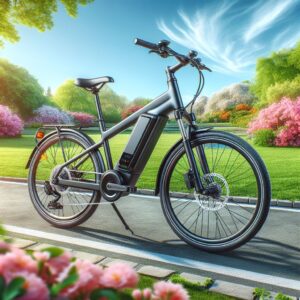
As urban areas continue to grow, the need for sustainable commuting solutions becomes ever more pressing. The HAOQI Camel e-bike emerges as a frontrunner in eco-friendly transportation, offering a practical and efficient way to reduce our carbon footprint. Imagine zipping through city streets, bypassing traffic, and arriving at your destination with ease—all while contributing to a cleaner planet.
Why Choose Eco-Friendly Transportation?
Choosing eco-friendly transportation is not just a personal choice; it’s a commitment to the environment and future generations. By opting for sustainable commuting options, you actively reduce harmful emissions, conserve energy, and promote a healthier lifestyle. Most importantly, it signals a shift towards a more conscious and responsible way of living.
The Environmental Impact of Traditional Commutes
Traditional commuting methods, such as driving gasoline-powered cars, are among the largest sources of carbon emissions. According to the Environmental Protection Agency, transportation contributes nearly 30% of all greenhouse gas emissions worldwide. This significant impact on the environment necessitates a change in how we approach daily travel.
Cars, buses, and other fossil-fuel-based vehicles emit carbon dioxide and other pollutants that contribute to air pollution and climate change. Therefore, transitioning to cleaner, greener alternatives like e-bikes can play a crucial role in mitigating these effects.
How HAOQI Camel Reduces Carbon Footprint
The HAOQI Camel e-bike is designed to minimize environmental impact while maximizing efficiency and convenience. By replacing short car trips with e-bike rides, you can significantly lower your carbon emissions. The electric motor assists in pedaling, making it easier to travel longer distances without relying on fossil fuels.
Moreover, the e-bike’s rechargeable battery allows for sustainable energy use. Charging your e-bike with renewable energy sources, such as solar panels, can further reduce your carbon footprint. This combination of electric power and human effort makes the HAOQI Camel a standout option for eco-conscious commuters.
Benefits of the HAOQI Camel E-Bike
Switching to the HAOQI Camel e-bike offers a range of benefits that go beyond environmental impact. It’s about enhancing your quality of life while making a positive contribution to the world around you.
Combining Convenience and Sustainability
One of the greatest advantages of the HAOQI Camel e-bike is its ability to combine convenience with sustainability. You can navigate through congested city streets with ease, avoiding traffic jams and parking hassles. This not only saves time but also reduces stress associated with traditional commuting.
Because e-bikes require less physical effort than traditional bicycles, they are accessible to a broader range of people, including those who might not consider cycling otherwise. This inclusivity promotes wider adoption of sustainable commuting habits.
Cost Savings of Electric Commuting
Electric commuting with the HAOQI Camel can lead to significant cost savings over time. Unlike cars, e-bikes have lower maintenance costs, and you don’t have to worry about fuel expenses. Charging an e-bike is considerably cheaper than filling up a gas tank, making it a more economical choice in the long run.
Additionally, many cities offer incentives for using electric vehicles, such as reduced tolls or tax breaks. These incentives can further offset the initial investment in an e-bike, making it an attractive option for budget-conscious commuters.
Optimize Your E-Bike Commute
To get the most out of your HAOQI Camel e-bike, optimizing your commute is essential. Start by familiarizing yourself with bike-friendly routes in your area. These paths often provide safer and more scenic alternatives to busy roads, allowing you to enjoy a more pleasant ride. Additionally, consider the time of day when planning your commute. Riding during off-peak hours can help you avoid congestion and ensure a smoother journey.
Utilizing Renewable Energy for Charging
Charging your e-bike with renewable energy is a fantastic way to further reduce your carbon footprint. If you have access to solar panels at home, use them to charge your e-bike’s battery. This not only cuts down on your reliance on fossil fuels but also saves money on electricity bills.
In urban areas, some charging stations offer renewable energy options. Research local facilities to find those that align with your sustainability goals. By choosing green energy sources, you make a significant impact on reducing overall emissions.
Adopting a Multi-Modal Transportation Approach
- Combine e-biking with public transportation for longer commutes.
- Use bike-sharing programs for flexibility when traveling.
- Consider carpooling or ride-sharing for days when biking isn’t feasible.
Incorporating a multi-modal approach to transportation enhances flexibility and sustainability. By combining e-biking with other forms of transport, you can tailor your commute to suit your needs. For instance, you might ride your e-bike to a train station, then take public transit to your final destination.
This approach not only reduces emissions but also offers the convenience of adapting to different situations. Whether it’s weather conditions or distance, having multiple options ensures you can maintain an eco-friendly commute without sacrificing convenience.
Most importantly, adopting multi-modal transportation encourages others to explore similar options, creating a ripple effect that can lead to broader community engagement in sustainable practices.
Practical Tips for Eco-Friendly Commuting

“deaths attributable to air pollution …” from hsph.harvard.edu
Committing to eco-friendly commuting requires a bit of planning and adjustment. However, with the right strategies, you can make the transition smoothly and effectively. Here are some practical tips to help you on your journey.
Plan Your Route for Energy Efficiency
- Choose flat routes to conserve battery power.
- Avoid busy intersections to reduce stop-and-go cycling.
- Use navigation apps to find the most efficient paths.
Planning your route with energy efficiency in mind can significantly enhance your commuting experience. By selecting flat routes, you minimize the energy needed to power your e-bike, thus extending the battery life. Avoiding busy intersections also helps maintain a steady pace, reducing the need for frequent stops and starts that can drain the battery.
Navigation apps designed for cyclists can be invaluable tools. They provide real-time updates on traffic conditions and suggest optimal paths, ensuring you reach your destination efficiently and safely. For those looking to explore new routes, the HAOQI Cheetah Touring guide offers insights into discovering new paths and routes.
Besides that, sharing your route tips with fellow commuters can foster a sense of community and inspire others to embrace eco-friendly commuting.
Maintenance Tips for Maximum Performance
Regular maintenance of your e-bike is crucial to ensure its longevity and performance. Start by checking the tire pressure weekly. Properly inflated tires reduce rolling resistance and improve battery efficiency. Additionally, keep the chain clean and lubricated to prevent wear and tear.
“A well-maintained e-bike not only performs better but also lasts longer, saving you money on repairs and replacements.”
Schedule periodic inspections with a professional to address any mechanical issues promptly. This proactive approach can prevent minor problems from escalating into costly repairs. Most importantly, a well-maintained e-bike guarantees a reliable and enjoyable commuting experience.
Encouraging a Community of Green Commuters
Building a community of green commuters amplifies the impact of your individual efforts. Share your experiences and tips with friends, family, and colleagues. Organize group rides to promote the benefits of e-biking and create a supportive network for those interested in making the switch.
Engaging with local advocacy groups can also help push for better cycling infrastructure and policies. By joining forces with others, you can drive meaningful change in your community, making it easier and more appealing for everyone to choose sustainable commuting options.
Real Impact and Community Engagement
Understanding the real impact of your commuting choices is essential for maintaining motivation and encouraging others to follow suit. By measuring your carbon reduction and sharing your journey, you inspire a wider movement towards sustainability.
Measuring Your Carbon Reduction
Quantifying your carbon reduction helps visualize the positive effects of your eco-friendly commute. Use online calculators to estimate the emissions saved by switching from a car to an e-bike. These tools provide a tangible measure of your impact, reinforcing the value of your efforts.
Keeping track of your progress over time can also highlight improvements and motivate continued commitment to sustainable practices. Share your achievements with your community to demonstrate the potential for change and inspire others to contribute to a greener future.
Most importantly, remember that every small action counts. Each ride you take on your HAOQI Camel is a step towards a cleaner, healthier planet.
Advocating for Green Infrastructure
Promoting green infrastructure is essential for supporting sustainable commuting practices. By advocating for bike lanes, pedestrian paths, and eco-friendly public transit, we create environments that encourage greener choices.
“Investing in green infrastructure is not just an environmental choice; it’s a community investment that enhances quality of life for all residents.”
Communities that prioritize green infrastructure see improved air quality, reduced traffic congestion, and healthier populations. By engaging with local governments and organizations, you can help drive initiatives that make sustainable commuting more accessible and appealing.
Most importantly, fostering collaboration between policymakers, businesses, and residents ensures that infrastructure projects meet the diverse needs of the community, paving the way for a sustainable urban future.
Conclusion: The Future of Sustainable Urban Travel
The future of urban travel lies in embracing sustainable solutions like the HAOQI Camel e-bike. As cities grow and environmental challenges intensify, adopting eco-friendly commuting practices becomes not only a necessity but also an opportunity for innovation and progress.
Embracing Technology for Environmental Change
Technology plays a pivotal role in driving environmental change. Electric bikes, renewable energy sources, and smart transportation systems are just a few examples of how innovation can lead to a more sustainable future. By integrating these technologies into our daily lives, we reduce our carbon footprint and inspire others to do the same.
Encouraging Broader Adoption of Eco-Friendly Practices

“Why I Love Cycling in the City—Despite …” from www.outsideonline.com
Broader adoption of eco-friendly practices requires a collective effort. It starts with individual choices and expands to community initiatives and policy changes. By sharing knowledge, advocating for green infrastructure, and supporting sustainable businesses, we can create a ripple effect that transforms urban travel.
Frequently Asked Questions (FAQ)
Addressing common questions helps clarify the benefits and practicalities of switching to eco-friendly commuting options like the HAOQI Camel e-bike.
How does the HAOQI Camel help reduce my carbon footprint?
The HAOQI Camel e-bike reduces your carbon footprint by replacing car trips with a more sustainable form of transportation. It operates on electric power, which emits no direct pollutants, and can be charged using renewable energy sources to further minimize environmental impact.
By opting for an e-bike, you contribute to decreased traffic congestion and reduced greenhouse gas emissions, making a positive impact on the environment.
What makes e-bikes a sustainable option compared to traditional bikes?
E-bikes offer a sustainable option because they combine the benefits of cycling with the added convenience of electric assistance. This makes them accessible to a wider range of people, encouraging more individuals to choose cycling over driving. For more on the environmental benefits of e-biking, check out this article on the environmental impact of e-biking.
The electric motor helps with longer distances and challenging terrains, making it feasible for more people to incorporate cycling into their daily commutes.
Are there government incentives for using eco-friendly transportation?
Yes, many governments offer incentives for using eco-friendly transportation, such as tax credits, subsidies for purchasing e-bikes, and reduced tolls for electric vehicles. These incentives aim to encourage the adoption of sustainable commuting practices and reduce reliance on fossil fuels.
Check with local authorities or environmental agencies for specific programs available in your area.
How can I encourage my community to switch to green commuting?
Encouraging your community to switch to green commuting involves raising awareness and providing support. Organize community events, share success stories, and collaborate with local organizations to promote the benefits of eco-friendly transportation.
Advocating for improved infrastructure, such as bike lanes and public transit options, can also make green commuting more accessible and appealing to others.
What are some beginner tips for integrating e-bikes into my daily routine?
Start by familiarizing yourself with the e-bike’s features and practicing on safe routes. Plan your commute in advance, considering factors like distance and terrain. Gradually increase your riding distance as you become more comfortable.
Invest in essential gear, such as a helmet and reflective clothing, for safety. Finally, maintain your e-bike regularly to ensure optimal performance and longevity.


Leave a Reply