
Key Takeaways
- Regular chain maintenance can extend your Haoqi Mustang drivetrain life by up to 300% while improving shifting performance and efficiency.
- Using the proper degreaser and lubricant specifically designed for e-bike chains prevents premature wear on high-torque drivetrains like the Mustang’s.
- A simple 15-minute monthly maintenance routine prevents costly replacements and keeps your Haoqi Mustang performing at its peak.
- Proper chain tension is critical on e-bikes like the Haoqi Mustang to prevent premature motor wear and optimize power transfer.
- HAOQI offers specialized maintenance kits that simplify the DIY maintenance process for owners who want professional-level results.
Why Your Haoqi Mustang Chain Needs Regular DIY Care
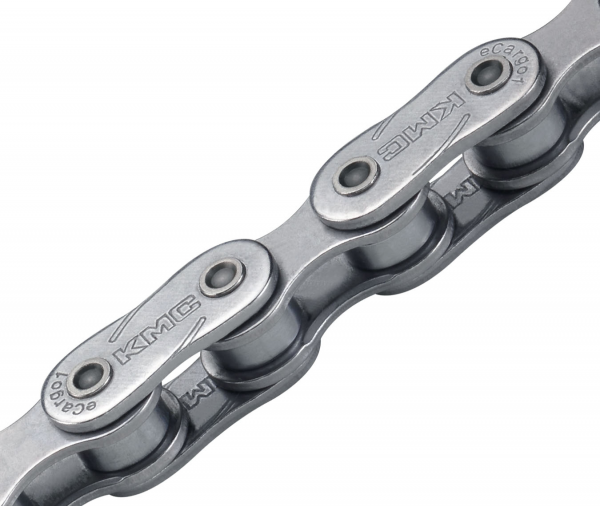
“eBike Series” from www.kmcchain.com
Your Haoqi Mustang‘s chain is the literal connection between your pedaling power, motor assistance, and forward motion. Unlike regular bicycle chains, e-bike chains endure significantly higher torque loads and often travel many more miles in a shorter timeframe. When properly maintained, your chain and gear system will deliver thousands of smooth miles, efficient power transfer, and crisp shifting performance.
Neglect that chain, however, and you’re looking at a cascade of expensive problems. A dirty, dry chain creates excessive friction that steals your battery power and puts unnecessary strain on the motor. This friction exponentially increases wear on your entire drivetrain, potentially reducing component life by up to 80%. The increased resistance also significantly impacts your range per charge—something no e-bike rider wants to sacrifice.
The good news is that HAOQI has designed the Mustang with DIY maintenance in mind. With just a few simple tools and techniques, you can keep your drivetrain running smoothly while protecting your investment. The difference between a well-maintained and neglected chain is immediately noticeable in shifting precision, pedaling smoothness, and overall ride quality.
Essential Tools for Haoqi Mustang Chain Maintenance
Before diving into maintenance procedures, assembling the right toolkit will make the job both easier and more effective. Quality tools specifically designed for bicycle maintenance will prevent damage to components and ensure professional results. While you can certainly build your collection over time, starting with these essentials will cover most maintenance needs for your Haoqi Mustang.
Basic Cleaning Supplies That Won’t Damage Components
The foundation of proper chain maintenance begins with the right cleaning supplies. Harsh household chemicals can damage your Haoqi Mustang’s specialized coatings and materials, potentially causing more harm than good. Instead, invest in bike-specific products designed to remove the unique combination of road grit, chain lube, and environmental contaminants without harming components.
Essential Cleaning Kit: A bicycle-specific degreaser (avoid WD-40 for cleaning), a chain cleaning device for thorough cleaning without removal, soft brushes of various sizes for detailed cleaning, microfiber rags that won’t leave residue, and environmentally friendly soap for frame cleaning. These basics will handle 90% of your regular maintenance needs.
When selecting a degreaser, look for biodegradable options that are effective yet gentle on seals and o-rings. For the Haoqi Mustang‘s high-performance drivetrain, citrus-based degreasers offer excellent cleaning power without the harsh chemicals. A dedicated chain-cleaning tool, while not strictly necessary, dramatically speeds up the process and ensures more thorough cleaning between the inner plates where most contamination hides.
Chain-Specific Tools Every Rider Should Own
Beyond basic cleaning supplies, a few specialized tools make chain maintenance significantly easier and more effective. A quality chain wear indicator (or “chain checker”) is perhaps the most important diagnostic tool in your kit. This simple device measures chain elongation—commonly called “stretch”—which is the primary indicator of when replacement is needed. Using this tool regularly can prevent expensive damage to your cassette and chainrings.
A master link plier makes removing and reinstalling your chain dramatically easier, especially when deep cleaning is needed. For the Haoqi Mustang’s robust drivetrain, having a proper chain tool for removing and reinstalling links is essential for repairs or sizing a new chain. Finally, a cassette removal tool matched to your specific cassette lockring pattern allows for deeper cleaning and maintenance of your rear gears.
Optional Advanced Tools for Serious DIYers
Pro-Level Maintenance Arsenal: For those looking to handle all aspects of drivetrain maintenance, consider adding a torque wrench (critical for carbon components), cassette lockring tool with chain whip, bottom bracket tools, and a workstand to position your bike at an ideal height. While these represent a larger investment, they quickly pay for themselves compared to shop labor costs.
While not essential for basic maintenance, a quality bike stand elevates your Mustang to a comfortable working height and holds it securely, making all maintenance tasks significantly easier. Position adjustments and stability while working on drivetrain components are particularly valuable when making derailleur adjustments that require simultaneously shifting and observing alignment.
Step-by-Step Chain Cleaning Process
Cleaning your Haoqi Mustang‘s chain doesn’t need to be complicated, but following the proper sequence ensures thorough results without damaging components. Set aside about 20 minutes for a complete cleaning, though you’ll get faster with practice. This maintenance routine should become a regular habit—the cleaner you keep your drivetrain, the less time each cleaning will take.
1. Proper Positioning of Your Bike
Begin by placing your Haoqi Mustang in a stable position that gives you easy access to the drivetrain. Ideally, use a bike repair stand to elevate the rear wheel off the ground, allowing free rotation of the pedals and wheels during cleaning. If you don’t have a stand, carefully flip the bike upside down, resting it on the saddle and handlebars (place towels underneath to protect these components). Before starting, shift into the middle cassette cog and smallest chainring to optimize chain access. For more tips on optimizing your Haoqi Mustang, check out these battery performance tips.
Turn off the e-bike system completely and remove the battery if possible. This safety step prevents any accidental motor activation during maintenance and protects sensitive electronic components from cleaning solutions. Position the bike in a well-ventilated area with good lighting so you can spot stubborn grime and assess your progress.
2. Degreasing the Chain Correctly
Apply a bicycle-specific degreaser to the chain using a chain cleaning tool or by carefully applying it to a clean rag held against the chain while backpedaling. Never spray degreaser directly onto the chain, as overspray can contaminate brake surfaces or electronic components. For the Haoqi Mustang’s robust drivetrain, a dedicated chain cleaning device significantly improves results by surrounding the chain with cleaning solution and scrubbing brushes.
Work the degreaser into the chain by pedaling backward for several rotations, allowing the solution to penetrate between all plates and rollers. Let the degreaser sit for 2-3 minutes to break down stubborn grime and old lubricant, but don’t allow it to dry completely. For extremely dirty chains, you may need to repeat this process, as a thoroughly clean chain is essential before applying fresh lubricant.
3. Scrubbing Techniques for Stubborn Grime
After applying degreaser, use a chain-specific brush or old toothbrush to scrub between chain links, focusing on areas where grit tends to accumulate. Pay special attention to the inner plates and rollers where most friction occurs. For the Haoqi Mustang’s wider chain designed for high-torque applications, thorough cleaning between all link components is particularly important.
While scrubbing, continue to rotate the cranks backward to access the entire chain. The Mustang’s powerful motor places exceptional demands on the drivetrain, making thorough cleaning critical for longevity. Don’t forget to clean the jockey wheels on the rear derailleur, which often collect significant grime that gets transferred back to the chain if not addressed.
4. Rinsing and Drying Methods
Once you’ve thoroughly scrubbed the chain, rinse away the degreaser and loosened grime. Use a clean, damp cloth to wipe down the chain while backpedaling, changing to clean sections of the cloth frequently. For stubborn residue, a light misting of water followed by immediate drying can help—but never use high-pressure water, which can force contaminants into bearings and electrical components.
After rinsing, it’s crucial to thoroughly dry the chain before applying lubricant. Allow the chain to air dry for 10-15 minutes or accelerate the process by gently using compressed air or wiping with a clean, dry microfiber cloth. A completely dry chain ensures proper lubricant adhesion and prevents dilution of the fresh lubricant. This patience pays dividends in drivetrain performance and component longevity.
Chain Lubrication: The Right Way
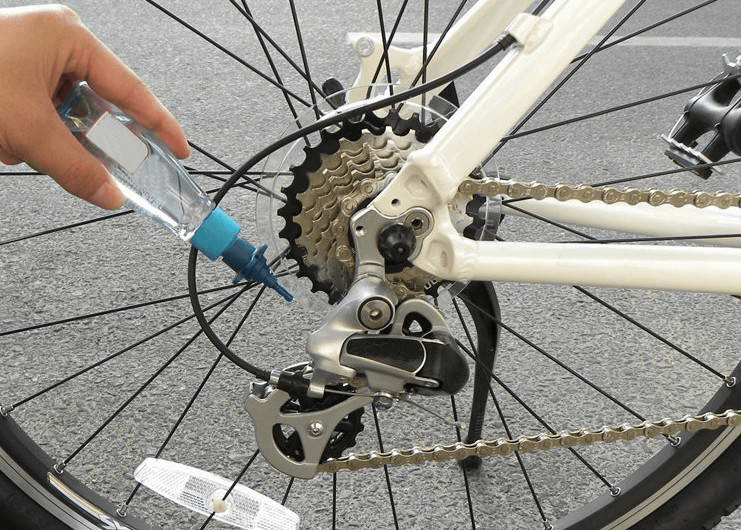
“Chain lubrication tips for e-bikes …” from www.ecotric.com
Proper lubrication is arguably the most critical aspect of chain maintenance, yet it’s frequently done incorrectly. The goal is to lubricate the internal components of the chain where metal contacts metal, not to coat the exterior with oil. A properly lubricated chain runs quietly, shifts smoothly, and resists wear while minimizing friction that saps power from both your legs and the Mustang’s motor.
Choosing the Best Lubricant for Haoqi Mustang Chains
Selecting the appropriate lubricant for your riding conditions dramatically impacts drivetrain performance and longevity. For the Haoqi Mustang’s high-torque drivetrain, a quality lubricant specifically formulated for e-bikes offers the best protection. These specialized lubricants typically feature higher viscosity and extreme pressure additives to handle the increased forces generated by the motor assistance.
For dry conditions, choose a “dry” or wax-based lubricant that doesn’t attract dust. These formulations penetrate deeply then set to a dry film that resists contamination. For wet or muddy conditions, “wet” lubricants with higher viscosity stay in place despite moisture but require more frequent cleaning as they attract more dirt. All-conditions lubricants offer a compromise that works reasonably well in varying environments—a practical choice for riders who encounter diverse conditions.
Lubricant Selection Guide: Dry conditions: Wax-based or dry lubricants (Pedro’s Ice Wax, Squirt Chain Lube). Wet conditions: Waterproof lubricants (Finish Line Wet, Muc-Off Wet Lube). All-conditions: Versatile options (Rock N Roll Gold, ProGold ProLink). E-bike specific: Higher viscosity formulations like Finish Line E-Bike Chain Lubricant, Muc-Off E-Bike Dry Lube.
Application Technique for Even Coverage
Apply lubricant to a clean, dry chain by placing a small drop on each roller while slowly rotating the cranks backward. One drop per link is sufficient—excess lubricant only attracts contaminants and creates a messy drivetrain. For more insights on maintaining your e-bike’s components, check out this guide on electric bike components. Focus on applying lubricant to the inner portions of the chain where the rollers contact the pins, as this is where critical friction occurs.
After application, continue backpedaling for several complete chain rotations to distribute the lubricant evenly throughout all chain components. Let the lubricant penetrate for 5-10 minutes, allowing it to work its way into the internal parts of the chain. This patience ensures proper protection of all moving surfaces and dramatically improves lubrication effectiveness.
Once the lubricant has had time to penetrate, use a clean, dry cloth to wipe excess from the exterior of the chain. This crucial step removes surface lubricant that would otherwise attract dirt while leaving the internal components properly protected. A properly lubricated chain should look clean and only slightly moist, never dripping or excessively wet.
Common Lubrication Mistakes to Avoid
The most frequent error riders make is over-lubricating their chains. Contrary to intuition, more isn’t better when it comes to chain lube. Excess lubricant collects dirt and creates an abrasive paste that accelerates wear rather than preventing it. Always wipe off excess after application and remember that internal lubrication, not external coating, is the goal.
4. Dealing with Chain Rust and Stiffness
Rust and stiffness are common issues with neglected chains, especially after exposure to moisture. At the first sign of rust (reddish-brown spots) or stiff links, take immediate action to prevent permanent damage. Begin by applying a penetrating lubricant specifically designed for bicycle chains and let it sit for 15-20 minutes to break down rust and corrosion. Gently flex stiff links while the penetrant works its magic, helping to free seized components.
5. Repairing a Broken Chain on the Trail
A broken chain can leave you stranded, but with proper preparation, it’s often a quick trailside fix. Always carry a compact chain tool and a couple of master links compatible with your Haoqi Mustang’s chain. If your chain breaks, first shift to a middle gear to reduce tension. Remove any damaged links using your chain tool, then connect the chain using a master link. For the Mustang’s 8-speed drivetrain, ensure you’re using compatible 8-speed master links. Test the repair by pedaling gently before applying full power, especially when using the motor. For more detailed instructions, check out this comprehensive guide on fixing a bike chain.
Seasonal Maintenance Schedule for Your Haoqi Mustang
A consistent maintenance schedule prevents small issues from becoming major problems and extends the life of your Haoqi Mustang’s drivetrain. Different seasons and riding conditions require adjustments to your maintenance routine. Creating a calendar-based approach ensures nothing gets overlooked, even during busy riding seasons. While this might seem like a lot of work, building these habits actually reduces your total maintenance time and significantly lowers long-term costs by preventing premature component wear.
Weekly Quick-Checks to Prevent Problems
Developing a five-minute weekly inspection routine can catch small issues before they become ride-ending problems. Check your chain for smooth operation by spinning the pedals backward and listening for unusual sounds. Visually inspect for any stiff links, excessive grime, or signs of rust. Verify proper chain tension and ensure the quick-release skewer on the rear wheel is securely fastened. On the Haoqi Mustang, also check that the derailleur hanger is straight and hasn’t been bent from accidental impacts.
Weekly Maintenance Checklist: Check chain for visual cleanliness and smooth operation (30 seconds), Inspect for stiff links by flexing chain laterally (30 seconds), Check derailleur alignment with gears (30 seconds), Verify chain tension is appropriate (30 seconds), Apply spot lubrication if chain sounds dry (1 minute), Wipe down visible grime with clean cloth (1 minute), Check that all quick releases are secure (30 seconds).
This quick inspection process requires no special tools and can be performed right before or after a ride. Making this a consistent habit dramatically reduces the chance of mechanical issues during rides and helps you identify potential problems before they leave you stranded. Remember that e-bikes like the Mustang put additional stress on drivetrain components, making these regular checks even more important than on traditional bicycles.
Pay special attention to unusual noises, as they’re often the first warning sign of developing problems. A properly maintained drivetrain should operate nearly silently. Clicks, creaks, or grinding sounds indicate issues that should be addressed immediately before they cause more extensive damage.
Monthly Deep Cleaning Routine
Once a month, set aside 30-45 minutes for a more thorough drivetrain maintenance session. This deeper cleaning reaches places that quick maintenance misses and resets your drivetrain to like-new performance. Begin with a complete chain cleaning using proper degreasing techniques, followed by cassette and chainring cleaning. Check chain wear using a chain checker tool – this monthly measurement helps track wear progression and plan for replacement before damage occurs to other components.
During this monthly session, also inspect derailleur pulleys for excessive wear or contamination, as they significantly impact shifting performance. Check all derailleur adjustment screws to ensure they haven’t vibrated out of position. For the Haoqi Mustang’s e-drive system, verify that the motor mounting bolts are secure and that no debris has collected near the bottom bracket area where the motor interfaces with the drivetrain.
Special Maintenance After Wet or Muddy Rides
Your maintenance schedule should adapt to riding conditions, not just calendar dates. After rides in wet, muddy, or dusty conditions, perform an abbreviated version of your monthly maintenance regardless of when it was last done. Water and particulates dramatically accelerate drivetrain wear, especially on e-bikes where higher torque magnifies the abrasive effects of contamination. Clean and lubricate your chain immediately after exposure to these conditions, ideally before the bike is stored.
For the Haoqi Mustang, paying special attention to the area where the chain engages with the motor’s drive sprocket is crucial after adverse conditions. This interface experiences particularly high forces and can wear quickly if contaminated. A quick five-minute rinse and re-lube after challenging conditions can prevent hours of repair work and hundreds of dollars in replacement parts down the road.
Extend Your Drivetrain Life with These Pro Tips
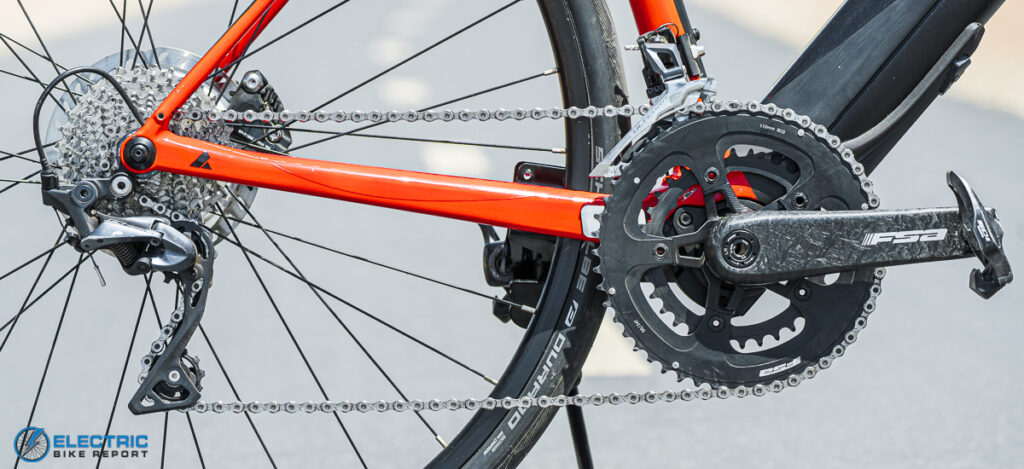
“Guide To Electric Bike Drivetrains …” from electricbikereport.com
Beyond regular maintenance, implementing these professional techniques can significantly extend your Haoqi Mustang‘s drivetrain life while improving performance. Most of these practices require no additional time or tools but make a substantial difference in component longevity. The cumulative effect of these habits can easily double or triple the lifespan of your most expensive drivetrain components while maintaining optimal performance throughout their life.
- Shift before stopping: Downshift to an easier gear before coming to a complete stop to reduce startup strain on the chain and motor
- Anticipate shifts: Change gears before you need to, not while under heavy load or climbing steep hills
- Avoid cross-chaining: Prevent running the chain at extreme angles between front and rear gears
- Clean before lubing: Never add new lubricant over a dirty chain
- Keep proper tension: Check and maintain correct chain tension according to Haoqi specifications
- Rotate between multiple chains: Advanced users can extend cassette life by alternating between two chains
- Store properly: Keep your Mustang in a climate-controlled environment when possible
The most significant impact comes from changing your shifting habits. The Mustang’s powerful motor can mask poor shifting technique, but the drivetrain still experiences the stress. Shift before you need to, not while under load, and avoid the smallest and largest cogs in the same configuration (cross-chaining). These simple adjustments dramatically reduce chain stress and extend component life.
For serious riders who put on significant mileage, consider the advanced technique of chain rotation. By purchasing two identical chains and swapping them every 500 miles, both chains and your cassette will wear more evenly, often doubling the lifespan of your expensive cassette. This approach costs slightly more upfront but results in significant savings over time.
Frequently Asked Questions
Based on customer support data, these are the most common questions Haoqi Mustang owners ask about chain and gear maintenance. These practical answers address real-world situations you’re likely to encounter and provide solutions that balance ideal maintenance with practical constraints. Remember that preventative maintenance always costs less in both time and money than repairing damage from neglect. For more insights on optimizing your bike, check out our Haoqi Mustang battery performance tips.
How often should I clean my Haoqi Mustang chain?
Cleaning frequency depends on your riding conditions, but a general rule is to perform a quick wipe-down after every ride and a thorough cleaning every 150-200 miles. In dry, clean conditions, you might extend this to 250 miles, while wet or muddy rides require immediate attention regardless of mileage. The Mustang’s electric assist means you’ll accumulate miles faster than on a traditional bike, making regular maintenance even more important.
- Dusty/dry conditions: Clean and lube every 150 miles
- Normal conditions: Clean and lube every 200 miles
- After any wet/muddy ride: Clean and lube immediately
- At minimum: Monthly regardless of mileage
Listen to your drivetrain for guidance—a noisy chain is a chain begging for attention. Visible grime buildup or shifting performance issues are clear indicators that cleaning is overdue. Remember that preventative maintenance takes far less time than dealing with premature component replacement or roadside repairs.
Many riders find setting mileage reminders in their ride tracking apps helps maintain a consistent schedule. The Haoqi companion app can be used to set maintenance reminders based on your actual usage patterns, ensuring timely care regardless of seasonal riding variations.
Can I use WD-40 on my bike chain?
Standard WD-40 is primarily a water displacing solvent, not a lubricant, and should not be used as your chain’s primary lubricant. While it can help remove moisture after wet rides, it doesn’t provide the necessary long-term lubrication needed for chain protection. In fact, using regular WD-40 as a lubricant will actually accelerate chain wear by flushing away proper lubricant and leaving minimal protection.
However, WD-40 does make a bicycle-specific product line that includes proper chain lubricants formulated for bike use. These specialized products (like WD-40 Bike Chain Lube) are appropriate and effective when used as directed. Always make sure you’re using a product specifically labeled for bicycle chain use, not the general-purpose WD-40 in the blue and yellow can.
Understanding Lubricants: Solvents like standard WD-40 clean and displace water but provide minimal lasting lubrication. True chain lubricants contain specific additives that adhere to metal surfaces and create a protective film between moving parts. E-bike specific lubricants contain additional extreme pressure additives to handle the higher torque produced by motor assistance. Using the wrong product can reduce drivetrain efficiency by 15-20% and dramatically accelerate wear. For more information on optimizing your e-bike, check out this comparison of the best electric bike competitors.
If you’ve accidentally used standard WD-40 on your chain, perform a complete cleaning with a proper degreaser as soon as possible, then apply an appropriate bicycle chain lubricant. This will restore proper protection to your drivetrain components and prevent accelerated wear from inadequate lubrication.
What’s the average lifespan of a Haoqi Mustang chain?
With proper maintenance, a Haoqi Mustang chain typically lasts between 1,500-2,500 miles, though this varies significantly based on riding conditions, maintenance habits, and riding style. E-bike chains generally wear faster than those on traditional bikes due to the increased torque from motor assistance. Regular monitoring with a chain wear indicator is the only reliable way to determine when replacement is needed, as visual inspection can’t accurately assess internal wear. For more detailed guidance, check out this comprehensive guide on fixing a bike chain.
Chain life can be significantly extended through consistent maintenance. Riders who clean and lubricate properly often see up to double the lifespan compared to those who neglect maintenance. For detailed guidance, check out this electric bike maintenance guide. Weather conditions also play a major role—riding frequently in wet or muddy conditions can reduce chain life by 50% or more if not followed by immediate cleaning and re-lubrication.
When it’s time to replace your chain, invest in a quality replacement that matches the Mustang’s specifications. Using the manufacturer’s recommended chain ensures optimal shifting performance and compatibility with the motor system. While it might be tempting to save money on drivetrain components, the chain is one area where quality directly impacts overall drivetrain longevity and performance.
Is it normal for a new chain to make noise?
A properly installed new chain should run quietly after an initial break-in period of 50-100 miles. Some minimal noise during the first few rides is normal as the chain plates seat themselves against the cassette and chainrings. However, persistent clicking, grinding, or squeaking indicates an issue that needs attention—either improper installation, inadequate lubrication, or a potential derailleur adjustment problem.
How tight should my bike chain be on my Haoqi Mustang?
The Haoqi Mustang uses a derailleur system that automatically maintains proper chain tension, so manual adjustment isn’t typically necessary. When properly set up, the chain should have approximately 1/2 inch (12-13mm) of vertical movement at its midpoint between the chainring and cassette. Too tight, and you’ll create excessive friction and component wear; too loose, and you risk chain drops and poor shifting performance.
If your Mustang’s chain tension seems incorrect, first check that the rear wheel is properly seated in the dropouts and the quick-release skewer is securely fastened. If tension issues persist, inspect the derailleur spring tension and hanger alignment. The derailleur hanger—the replaceable part that connects the rear derailleur to the frame—can bend from impacts and cause tension irregularities.




Leave a Reply