
Battery Care Essentials At-a-Glance
- Keeping your Haoqi Mustang battery between 30-80% charge during regular use can double its lifecycle compared to full charge/discharge cycles
- Temperature management is crucial – avoid exposing your battery to temperatures below 32°F (0°C) or above 100°F (38°C) for extended periods
- Using only the official Haoqi charger prevents potentially damaging voltage inconsistencies that aftermarket options might introduce
- Properly storing your Mustang’s battery at 40-60% charge in a cool, dry place can significantly extend its overall lifespan
- Regular maintenance checks of battery connections and the battery management system help prevent common issues before they impact performance

“Haoqi’s Mustang Is a Budget E-Bike With …” from www.autoevolution.com
Your Haoqi Mustang e-bike represents freedom, adventure, and eco-friendly transportation all rolled into one sleek package. At the heart of this remarkable machine lies its powerful lithium-ion battery – the component that transforms your bike from an ordinary cycle into an extraordinary electric vehicle. HAOQI has engineered these batteries with cutting-edge technology, but even the best batteries require proper care to deliver their full potential. With the right maintenance approach, you can dramatically extend your battery’s lifespan while maximizing its performance on every ride.
The relationship between you and your e-bike battery is symbiotic. Treat it well, and it rewards you with longer rides, more power when you need it, and years of reliable service. Neglect its needs, and you might find yourself with diminished range, reduced power output, or even premature replacement costs. This guide focuses specifically on the unique requirements of the Haoqi Mustang battery system to help you get the absolute most from your investment.
Why Your Haoqi Mustang Battery Deserves Special Attention
The Haoqi Mustang utilizes a sophisticated lithium-ion battery pack that’s been specifically engineered for optimal performance in varying conditions. Unlike generic e-bike batteries, the Mustang’s power system features an advanced Battery Management System (BMS) that monitors cell health, prevents overcharging, and optimizes energy distribution. This proprietary technology means standard battery care advice often misses critical Mustang-specific considerations.
Your Mustang’s battery represents approximately 30-40% of your e-bike’s total value. With replacement costs running several hundred dollars, proper maintenance isn’t just about performance—it’s about protecting your investment. The good news is that with appropriate care, your Mustang battery can deliver well over 800 charge cycles before significant capacity degradation occurs. That translates to years of reliable service for most riders.
“The difference between a well-maintained Haoqi battery and a neglected one can be as much as 3 years of additional service life. Most riders who follow our recommended maintenance protocols report excellent performance even after 4+ years of regular use.” – Haoqi Technical Support Team
Optimal Charging Practices for Maximum Battery Life
The way you charge your Haoqi Mustang has the single biggest impact on its long-term health. Lithium-ion batteries have memory effects and stress points that, when understood and respected, can dramatically extend your battery’s useful life. The goal is to minimize battery stress while maintaining practical riding ranges.
Use Only the Official Haoqi Charger
Your Mustang comes with a charger specifically calibrated for its battery chemistry and BMS requirements. Third-party chargers, even those with seemingly compatible specifications, often lack the precise voltage regulation needed for optimal battery health. The official Haoqi charger communicates with your battery’s management system to adjust charging parameters based on current conditions, battery age, and cell balance.
The temptation to use universal chargers or “fast chargers” is understandable, but the potential damage far outweighs any convenience. Many riders don’t realize that using non-Haoqi chargers can not only accelerate battery degradation but may also void your warranty protection. If you need a replacement or additional charger, the small premium for an official unit pays dividends in extended battery life.
Follow the 30-80% Charge Rule
Lithium-ion batteries experience the least stress when maintained between 30-80% charge. Full 0-100% charging cycles create chemical stress that gradually reduces total capacity. For everyday riding, try to start charging when your battery reaches about 30% and unplug when it hits 80%. This simple habit can potentially double your battery’s useful lifespan compared to always charging to 100%. For more tips on maintaining your e-bike, check out our Haoqi Mustang e-bike guide.
Of course, sometimes you need your full range for longer adventures. When planning a longer ride, it’s perfectly fine to charge to 100% – just try not to make this your daily practice. Similarly, occasional deep discharges won’t significantly harm your battery, but making a habit of running it completely empty before recharging will accelerate its aging process dramatically.
The Haoqi display makes monitoring your charge level easy with its clear percentage indicator. For optimal results, consider setting mental “triggers” at 30% to remind yourself it’s time to plan for a recharge soon. Many experienced riders find it helpful to charge immediately after returning from rides rather than waiting until just before their next outing.
Avoid Complete Discharge Whenever Possible
While modern lithium-ion batteries don’t suffer from the “memory effect” that plagued older battery technologies, they do experience significant stress when completely discharged. The Haoqi Mustang’s battery management system includes protection circuits that prevent true zero-percent discharge, but regularly pushing your battery to its limits accelerates capacity degradation over time.
Plan your rides with a buffer zone in mind, aiming to return home with at least 15-20% charge remaining. This not only protects your battery but also prevents the inconvenience of losing power assistance mid-journey. For more detailed advice on preserving your e-bike’s battery, consider exploring our essential e-bike charging tips. If you find yourself frequently approaching empty, consider adjusting your riding habits or exploring routes with lower power demands.
Let Your Battery Cool Before Charging
After a demanding ride, your battery’s internal temperature may be significantly elevated, especially during summer months or after tackling challenging terrain. Charging a hot battery causes thermal stress that can damage cells and reduce capacity. Allow your Mustang’s battery to cool to ambient temperature before connecting the charger—typically 30-60 minutes after riding is sufficient.
This cooling period gives the battery management system time to balance cells and stabilize temperatures. If you’re in a hurry, at minimum allow 15 minutes of cooling time and place the battery in a well-ventilated area away from direct sunlight. This small delay can have significant long-term benefits for battery health.
Unplug When Fully Charged
While the Haoqi Mustang’s intelligent charging system includes overcharge protection, consistently leaving your battery connected to power after reaching 100% places unnecessary stress on the cells. The ideal approach is to unplug your charger once charging is complete. If overnight charging is unavoidable, consider using a simple outlet timer to cut power after the typical charging duration (4-6 hours for most Mustang batteries).
Storage Solutions That Preserve Battery Health
How you store your Haoqi Mustang battery when not in use significantly impacts its longevity. Proper storage practices are especially important during seasonal transitions or extended periods without riding. With thoughtful preparation, you can ensure your battery remains in optimal condition even during lengthy storage.
The three primary factors affecting battery storage are charge level, temperature, and duration. By optimizing each factor, you create ideal conditions for maintaining cell stability and preventing chemical degradation that leads to capacity loss. Even riders who use their Mustangs year-round can benefit from these practices during shorter non-use periods.
Ideal Storage Charge Level: 40-60%
Lithium-ion batteries experience the least chemical stress when stored at approximately 40-60% charge. This middle range minimizes internal resistance and cell oxidation that occurs at both high and low charge states. Before storing your Mustang battery for more than two weeks, check the display and charge or discharge as needed to reach this optimal range.
For storage exceeding one month, it’s advisable to check the charge level monthly and adjust if it falls below 30%. Unlike older battery technologies, lithium-ion cells do experience slow self-discharge even when disconnected. The Haoqi BMS minimizes this effect, but periodic maintenance checks ensure your battery doesn’t enter a harmful deep discharge state during extended storage.
Climate-Controlled Environment Benefits
Temperature stability plays a crucial role in preserving battery chemistry during storage. The ideal storage environment maintains a temperature between 50-70°F (10-21°C) with moderate humidity. Extreme temperatures accelerate chemical reactions within cells that can permanently reduce capacity, even when the battery isn’t being used.
Avoid storing your Mustang battery in uninsulated garages, sheds, or outdoor spaces where temperature fluctuations occur. Indoor closets, basements, or climate-controlled storage areas provide more stable conditions. If perfect conditions aren’t available, prioritize avoiding temperature extremes over maintaining perfect consistency. For more on optimizing your e-bike experience, check out the best Haoqi Mustang e-bike model comparison guide.
Remove the Battery During Extended Storage
For storage periods exceeding two weeks, removing the battery from your Mustang offers several advantages. It eliminates parasitic drain from the bike’s electronics, prevents potential moisture accumulation around connection points, and allows for optimal positioning and environment selection. The Haoqi Mustang’s tool-free battery removal process makes this simple and convenient.
Temperature Management: Your Battery’s Best Friend
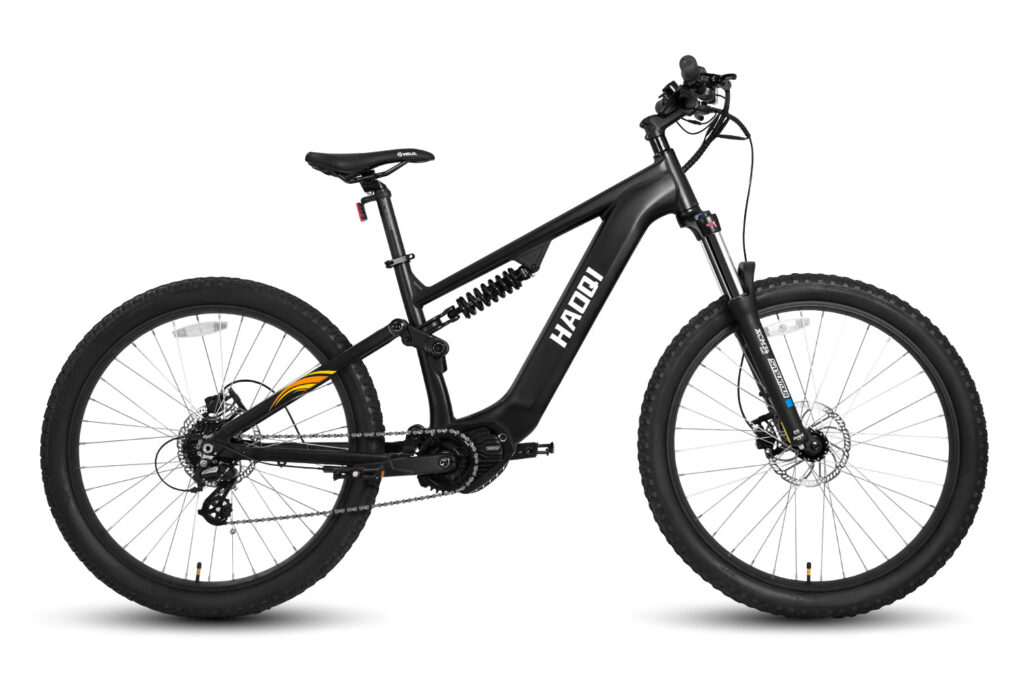
“HAOQI Mustang Premium Electric Mountain …” from haoqiebike.com
Temperature management represents one of the most overlooked aspects of e-bike battery care. Your Mustang’s lithium-ion cells function optimally within a specific temperature range, and exceeding these boundaries can cause both immediate performance issues and long-term damage. Understanding how temperature affects your battery empowers you to make small adjustments with significant benefits.
Optimal Operating Temperature Range
The Haoqi Mustang battery delivers peak performance between 60-75°F (15-24°C). Within this range, you’ll experience maximum range, optimal power delivery, and minimal stress on cells. As temperatures move toward extremes, efficiency decreases—you may notice reduced range in both very cold and very hot conditions. At temperatures below 32°F (0°C), available capacity can temporarily decrease by 30% or more, though this effect is reversible once the battery warms.
The battery management system includes temperature monitoring that adjusts performance parameters based on current conditions. These automatic adjustments protect your battery but may result in reduced power output during temperature extremes. When possible, storing your bike and battery in temperature-controlled environments before rides helps ensure optimal performance.
Protecting Your Battery in Extreme Weather
Winter riding presents unique challenges for your Mustang’s battery. Cold temperatures significantly reduce available capacity and increase internal resistance. For cold-weather rides, consider warming your battery before heading out by bringing it indoors for several hours prior to your journey. Insulating battery covers, available from Haoqi and third-party manufacturers, can help maintain operating temperature during rides in cold conditions.
Extreme heat poses different risks, potentially causing permanent capacity loss if cells exceed critical temperature thresholds. Avoid storing or charging your battery in direct sunlight or hot environments like car trunks during summer months. If you must ride in very hot conditions, try to park in shaded areas and give your battery cooling breaks during extended journeys.
Cooling Strategies for Hot Summer Rides
During hot weather riding, your battery generates additional internal heat that combines with ambient temperature to potentially reach concerning levels. Maximize airflow around the battery by avoiding oversized bags or accessories that block ventilation areas on the frame. For particularly hot days, consider using pedal assist at lower levels more frequently rather than constant high-power modes that generate more heat.
Smart Riding Habits That Extend Battery Life
How you ride your Haoqi Mustang directly impacts battery performance and longevity. By developing efficient riding techniques, you can significantly extend range while reducing stress on battery cells. These habits become second nature with practice and contribute to a better overall riding experience.
The key principle is understanding that your battery experiences the greatest stress during high-current situations. Acceleration, climbing steep hills, and riding against strong headwinds all demand substantial power. By modifying how you handle these high-demand scenarios, you can reduce peak loads on your battery and extend its useful life.
Pedal Assist vs. Throttle-Only Impact
The Haoqi Mustang offers both pedal assist and throttle-only riding modes, each with different implications for battery efficiency. Pedal assist mode is significantly more efficient, often extending range by 30-50% compared to exclusive throttle use. This efficiency comes from the harmonious combination of human and electric power, reducing the battery’s workload while maintaining satisfying speeds.
When possible, use pedal assist for the majority of your riding, reserving throttle-only operation for situations where pedaling is challenging or impractical. Many experienced riders develop a hybrid approach, using pedal assist for cruising and gentle inclines while saving throttle power for challenging hills or quick acceleration needs. This balanced approach maximizes range while still delivering the convenience that makes e-bikes so appealing.
Optimal Gear Selection for Battery Efficiency
Your Mustang’s gearing system plays a crucial role in battery efficiency. Riding in too high a gear forces the motor to work harder, drawing more current and generating more heat. Conversely, selecting appropriate gears allows the motor to operate in its efficiency sweet spot, extending range and reducing stress on battery cells.
For maximum efficiency, shift to lower gears before starting from a stop and when approaching hills. This pre-emptive shifting reduces the initial power demand on the battery during these high-stress moments. As you gain speed or crest hills, progressively shift to higher gears to maintain efficiency. Pay attention to your cadence (pedaling speed) – a smooth, moderate cadence of 70-90 rpm typically allows for optimal motor and battery efficiency.
Terrain Planning to Maximize Range
Strategic route planning can significantly impact your Mustang’s range and battery health. When possible, choose routes with gradual elevation changes rather than steep hills, as climb sections create high current draws that stress your battery. For longer rides, consider planning your route to tackle any significant climbs early while your battery has full capacity.
Wind resistance also substantially impacts battery consumption, often more than riders realize. Headwinds can increase power demands by 20-30%, while tailwinds can similarly reduce consumption. Check weather conditions before long rides and, when possible, plan routes that avoid sustained headwind sections or provide shelter through urban areas or tree-lined paths. For more insights on optimizing your rides, explore our guide on transforming daily commutes.
Weight Distribution Considerations
How you load your Haoqi Mustang affects battery performance and longevity. Excessive weight, especially when unevenly distributed, increases motor strain and battery current draw. When carrying cargo, position heavier items low and centered on the bike to maintain stability and minimize additional power demands. The Mustang’s recommended maximum rider and cargo weight isn’t just about structural concerns—it also reflects optimal electrical system loading.
Consider using Haoqi’s purpose-designed panniers and cargo accessories, which are engineered to complement the bike’s weight distribution characteristics. If you regularly carry heavy loads, compensate by using lower assist levels and more active pedaling to reduce battery stress during these high-demand situations.
Maintenance Schedule to Prevent Battery Problems
Preventive maintenance is far more effective than reactive troubleshooting when it comes to battery care. Establishing a regular maintenance routine helps identify potential issues before they impact performance or cause permanent damage. The following schedule aligns with Haoqi’s technical recommendations while remaining practical for everyday riders.
Weekly Connection Checks
Battery connection points can develop corrosion or loosen over time, especially if you ride in humid or wet conditions. Weekly visual inspection of the main battery terminals and connector pins helps catch these issues early. Look for any discoloration, white powdery buildup, or bent pins that might compromise electrical connections.
If you notice minor corrosion, power off the system completely and clean connections with a specialized electrical contact cleaner (never use WD-40 or similar petroleum-based products on electrical connections). For persistent connection issues, contact Haoqi support rather than attempting repairs that might void your warranty.
Monthly Battery Health Assessment
Once monthly, perform a more comprehensive battery health check. Start with a full charge, then monitor how the battery performs during a typical ride. Note any unusual behavior such as rapid drainage, unexpected power fluctuations, or significant range reduction compared to previous months. Also check that the battery sits securely in its mount without excessive movement or rattling.
The Mustang’s display provides useful diagnostic information during these assessments. Compare current range estimates to your baseline expectations, accounting for weather conditions and riding mode. Consistent declines beyond normal seasonal variations warrant further investigation. Document your findings to track patterns over time and provide valuable information if you ever need to contact Haoqi support.
Quarterly Deep Cycle Maintenance
Every three months, perform a controlled deep cycle to help calibrate the battery management system and ensure accurate charge level reporting. Begin with a full charge, then ride until the battery reaches approximately 10% remaining (never completely exhaust the battery). Allow the battery to rest for 30 minutes, then fully recharge without interruption. For more insights on enhancing your ride, check out how to customize your Haoqi Mustang e-bike.
This calibration process helps the BMS accurately track cell conditions and provide reliable range estimates. It’s particularly important after periods of exclusively short rides where the battery rarely drops below 50% capacity. Note that this quarterly maintenance is different from regular use recommendations—deep cycling should remain an occasional calibration tool, not a daily practice.
Troubleshooting Common Mustang Battery Issues
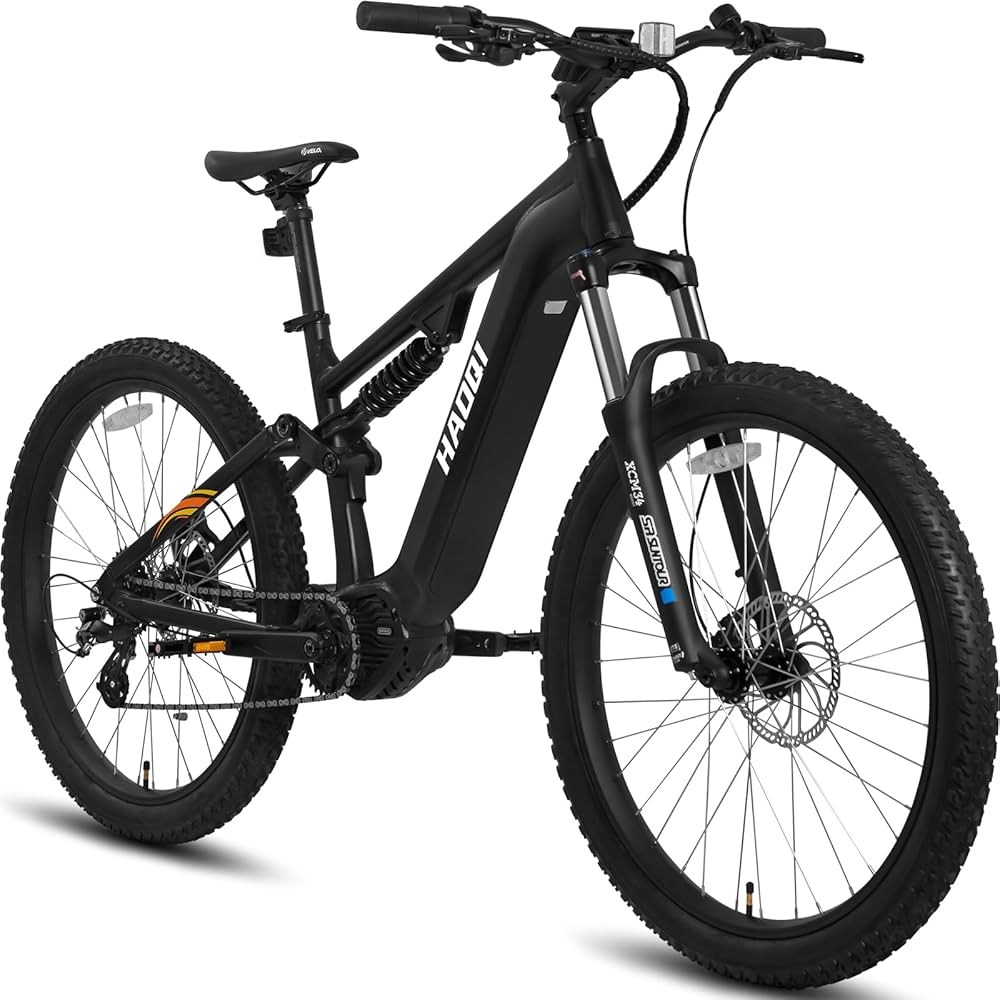
“HAOQI Mustang Peak 750W Mid-Drive Motor …” from www.amazon.com
Even with diligent care, you may occasionally encounter battery-related challenges with your Haoqi Mustang. Understanding common issues and their solutions empowers you to address minor problems promptly before they escalate. Many apparent battery failures actually stem from simple, correctable issues that don’t require technical expertise to resolve.
- Connection problems: Often mistaken for battery failure but typically resolved by cleaning and securing contacts
- Charging inconsistencies: Usually related to power supply issues or ambient temperature conditions
- Range fluctuations: Commonly caused by riding conditions rather than actual battery degradation
- Display inaccuracies: Typically resolved through system resets or BMS calibration procedures
- Error codes: Most indicate temporary conditions rather than permanent battery damage
Before assuming your battery requires replacement, work through the troubleshooting steps outlined below. Document what you try and the results observed—this information proves invaluable if you ultimately need professional assistance. Remember that patience during troubleshooting often reveals simple solutions to seemingly complex problems.
The Haoqi Mustang features multiple safeguards designed to protect the battery from damage, sometimes by temporarily limiting functionality. What initially appears as battery failure may actually be these protection systems doing their job. Understanding this distinction helps avoid unnecessary concern while addressing the underlying conditions triggering these protective responses.
Sudden Range Reduction Fixes
Unexpected decreases in range often trigger immediate concern about battery health, but multiple factors can temporarily reduce range without indicating battery failure. First, check that you’re comparing similar riding conditions—headwinds, cold temperatures, and increased payload can all reduce range by 20-40% without reflecting battery problems. Similarly, riding in maximum assist levels dramatically reduces range compared to more moderate settings.
- Verify tire pressure is at recommended levels (typically 18-22 PSI for the Mustang’s fat tires)
- Check for mechanical resistance by spinning the wheel with the motor off
- Ensure brake pads aren’t rubbing against the rotors
- Perform a BMS reset by disconnecting the battery for 10 minutes
- Calibrate the battery with a full charge-discharge-recharge cycle
If range issues persist after addressing these factors, perform a more controlled range test. Fully charge the battery, reset the trip odometer, and ride in consistent conditions (flat terrain, no wind, moderate temperature) using the same assist level throughout. Compare the results to Haoqi’s specified range for those conditions. Significant discrepancies may indicate battery cell degradation requiring professional assessment.
Also consider the battery’s age and usage history. Lithium-ion batteries naturally lose capacity over time, with most quality batteries retaining about 80% of their original capacity after 500 full charge cycles. If your Mustang has seen extensive use, some range reduction is normal and expected rather than indicating a defect.
For persistent range issues that can’t be explained by conditions or natural aging, contact Haoqi support with detailed information about your troubleshooting steps. They may recommend additional diagnostics or determine if your battery qualifies for warranty service. Premature capacity loss in batteries less than two years old often indicates conditions covered under Haoqi’s warranty program.
Charging Problems and Solutions
Charging difficulties often stem from issues with the charging system rather than the battery itself. If your battery won’t charge or charges very slowly, first inspect the charger’s LED indicator—it should show red while charging and green when complete. No light typically indicates a problem with the charger or power supply rather than the battery. Try a different outlet, preferably on a different circuit, to eliminate household electrical issues from consideration.
Battery Management System Error Codes
The Haoqi Mustang’s display may show specific error codes when the battery management system detects abnormal conditions. Common codes include E08 (controller communication error), E09 (battery communication error), and E10 (controller temperature protection). These codes rarely indicate permanent damage but rather temporary protective measures. For most error codes, powering the system down completely for 10 minutes allows the BMS to reset and often resolves the issue. Persistent codes, especially when accompanied by performance issues, warrant contacting Haoqi support.
When to Contact Haoqi Support
While many battery issues can be resolved through troubleshooting, certain conditions require professional assistance. Contact Haoqi support immediately if you notice physical damage to the battery casing, unusual odors, excessive heat during charging or use, or if the battery swells or changes shape. These conditions could indicate serious safety issues requiring immediate attention. Also reach out if you experience persistent error codes that don’t resolve with basic troubleshooting or if your battery shows significant capacity loss during its warranty period.
When contacting support, provide detailed information about the issue, including when it started, troubleshooting steps attempted, and any error codes displayed. Photos or videos of the problem often help support technicians provide more accurate guidance. Haoqi’s support team has access to advanced diagnostic tools and battery-specific expertise that can identify issues not apparent through basic troubleshooting.
Upgrading Your Battery Knowledge for Long-Term Savings
Investing time to understand your Mustang’s battery technology pays dividends through extended battery life and improved performance. The lithium-ion chemistry powering your bike continues to evolve, with Haoqi regularly incorporating advancements into their battery systems. Staying informed about these developments helps you adopt best practices that maximize your battery’s potential.
Consider joining Haoqi owner forums and community groups where experienced riders share real-world insights about battery maintenance and optimization. These communities often identify patterns and solutions before they become widely known, providing valuable practical knowledge beyond official documentation. Many riders report significant improvements in battery performance after implementing community-sourced tips tailored to their specific riding conditions and habits.
Frequently Asked Questions
The following questions address the most common concerns raised by Haoqi Mustang owners regarding battery care and performance. These answers supplement the detailed guidance provided throughout this article and address specific scenarios you might encounter during your ownership experience. For more insights, check out our Haoqi Mustang model comparison guide.
How many charging cycles can I expect from my Haoqi Mustang battery?
The Haoqi Mustang battery is engineered to deliver approximately 800-1000 full charge cycles while maintaining at least 80% of its original capacity. A “full cycle” means using 100% of the battery’s capacity, whether in a single ride or across multiple partial discharges. Following the optimal charging practices outlined in this guide can potentially extend this to 1200+ cycles for many riders.
It’s important to understand that battery degradation occurs gradually rather than suddenly. You’ll likely notice a slow decline in maximum range over years of use rather than an abrupt failure. Many riders continue using their original batteries well beyond the 80% capacity threshold, simply adjusting their expectations or riding habits to accommodate the reduced range.
Can I use a fast charger with my Mustang battery?
Haoqi does not recommend using aftermarket fast chargers with the Mustang battery. The standard charging algorithm is specifically designed to balance charging speed with optimal cell health. Fast charging generates additional heat and places higher stress on cells, potentially accelerating capacity degradation. If you need faster charging capabilities, contact Haoqi directly to discuss officially supported options that maintain warranty coverage and battery longevity.
What’s the best way to maintain battery health during winter storage?
For winter storage exceeding one month, charge your battery to approximately 50% capacity and store it in a cool, dry location with stable temperatures between 40-60°F (4-15°C). Remove the battery from the bike and place it on a non-conductive surface away from metal objects. Check the charge level monthly and recharge to 50% if it drops below 30%.
Avoid storing the battery in unheated garages or sheds where temperatures might drop below freezing. Extreme cold can cause irreversible damage to lithium-ion cells. Similarly, avoid storage near heating vents or in areas that experience significant temperature fluctuations, as these conditions accelerate chemical degradation within the battery.
Before returning the battery to service after extended storage, allow it to reach room temperature gradually (if it’s been stored in a cool environment), then charge it fully using the standard charger. Perform a short test ride at lower assist levels before resuming normal use to ensure all systems are functioning properly after the storage period.
Is it normal for battery range to decrease over time?
Yes, gradual range reduction is normal for all lithium-ion batteries. Typical degradation patterns show minimal loss during the first 200-300 cycles, followed by more noticeable but still gradual capacity reduction. Most riders report approximately 5-10% capacity loss after two years of regular use, increasing to 15-20% after four years.
This natural aging process occurs due to chemical changes within the battery cells during charging and discharging. Higher quality batteries like those used in the Haoqi Mustang feature advanced chemistry that minimizes this effect, but no current technology eliminates it entirely. The care practices outlined in this guide help minimize this natural degradation but cannot completely prevent it.
If you experience dramatic range reduction (more than 30%) within the first year of ownership, this typically indicates an abnormal condition rather than natural aging. In such cases, contact Haoqi support as your battery may qualify for warranty service. Be prepared to provide details about your charging habits and usage patterns to help technicians assess whether the capacity loss falls outside normal parameters.
Can I replace individual cells in my Mustang battery pack?
Haoqi does not recommend or support cell-level battery repairs by end users. The Mustang battery pack is a sealed unit with integrated safety and monitoring systems. Opening the battery case voids the warranty and bypasses critical safety features designed to prevent thermal events. Additionally, the battery management system requires careful recalibration after any cell replacement—a process requiring specialized equipment not available to consumers.
When your battery eventually requires replacement after years of service, Haoqi offers factory-certified replacement packs that ensure full compatibility with your Mustang’s electrical systems. These replacement batteries incorporate the latest cell technology and often provide improved performance compared to the original units from older models.



Leave a Reply