
Key Takeaways
- New York classifies e-bikes into three categories (Class 1, 2, and 3), with specific speed and operational requirements for each class that directly impact how and where you can ride your Haoqi Mustang.
- Haoqi e-bike riders don’t need a driver’s license, registration, or insurance in New York State, though this could change with pending legislation like “Priscilla’s Law.”
- Age restrictions apply to e-bike riders in New York, with Class 3 e-bikes limited to riders 16 and older, and helmet requirements vary by rider age and e-bike classification.
- NYC has additional e-bike regulations that differ from state laws, including stricter enforcement in Manhattan compared to outer boroughs.
- Understanding where you can legally ride your Haoqi Mustang (streets, bike lanes, but not sidewalks) can help you avoid fines that can exceed $500 for violations.
“Traffic into Manhattan drops 7.5% in …” from apnews.com
Navigating New York’s e-bike laws can be as challenging as weaving through Manhattan traffic. Whether you’ve just purchased a Haoqi Mustang or you’re a seasoned rider, understanding the legal landscape is crucial for avoiding tickets and riding confidently throughout the Empire State.
New York’s E-bike Classification System Explained
New York State legalized e-bikes in 2020, establishing a three-tiered classification system that determines where and how you can operate your electric bicycle. This framework aligns with many other states’ regulations while addressing New York’s unique urban and rural riding environments. Understanding which category your e-bike falls into is essential for legal compliance and avoiding potential fines.
Class 1, 2, and 3 E-bikes Defined
Class 1 e-bikes are pedal-assist only, with no throttle, and stop providing assistance when the bike reaches 20 mph. These are the most universally accepted type in New York, allowed on most bike paths and trails. Class 2 e-bikes include a throttle that can propel the bike without pedaling, but still max out at 20 mph assistance. The throttle component means some areas that permit Class 1 e-bikes may restrict Class 2 access. Class 3 e-bikes, sometimes called “speed pedelecs,” can reach assisted speeds of up to 25 mph in New York (though the standard is 28 mph in many other states). These higher-speed models face more restrictions, particularly in recreational areas, and are primarily intended for road use.
Where the Haoqi Mustang Fits in NY Classifications
The Haoqi Mustang e-bike typically falls under Class 2 classification in New York State, as it comes equipped with both pedal-assist and throttle capabilities while maintaining the required 20 mph maximum assisted speed. This classification offers Haoqi riders a good balance between versatility and access to most riding areas. However, some Haoqi models with higher speed capabilities might fall into the Class 3 category, subjecting riders to stricter regulations and access limitations. Always check your specific model’s specifications against New York’s definitions to ensure proper compliance.
Speed and Power Restrictions for Each Class
New York law sets clear limits on both speed and power for all e-bike classes. All three classifications are capped at a maximum motor wattage of 750W, which aligns with federal guidelines. Class 1 and 2 e-bikes are limited to 20 mph assisted speed, while Class 3 e-bikes can provide assistance up to 25 mph in New York. It’s important to note that these speed limits refer to motor-assisted speeds, not the total possible speed of the bike when pedaling without assistance or going downhill. Exceeding these power ratings or modifying your Haoqi to bypass speed limitations can result in your e-bike being reclassified as a moped or motorcycle, requiring registration, insurance, and a driver’s license.
License and Registration Requirements for Haoqi Riders
One of the major advantages of riding a properly classified e-bike in New York is the freedom from traditional motorized vehicle requirements. This section clarifies exactly what documentation is—and isn’t—needed to legally operate your Haoqi Mustang on New York streets and pathways. Understanding these requirements can save you significant headaches and potential legal issues down the road.
Do You Need a License to Ride a Haoqi Mustang?
Good news for Haoqi riders: no driver’s license is required to operate your e-bike in New York State, regardless of which class it falls under. This accessibility is one of the key benefits that makes e-bikes an attractive transportation option for people of all ages and backgrounds. The lack of licensing requirements distinguishes e-bikes from mopeds and motorcycles, positioning them closer to traditional bicycles in the eyes of the law.
- No driver’s license needed for any class of e-bike
- No motorcycle endorsement required
- No special e-bike operator permit exists in New York
- Riders must still follow all applicable traffic laws
Registration Status Under Current Laws
Unlike mopeds and motorcycles, e-bikes including the Haoqi Mustang do not require registration with the New York Department of Motor Vehicles. This exemption applies to all three classes of e-bikes, making them more accessible and cost-effective than other motorized transportation options. There’s no license plate requirement, no registration fee, and no need to visit the DMV before hitting the road with your new Haoqi.
The lack of registration requirements doesn’t mean e-bikes operate in a complete regulatory vacuum, however. Manufacturers like Haoqi must still ensure their e-bikes meet federal Consumer Product Safety Commission standards and include proper class identification labels. These labels must clearly indicate the classification number, top assisted speed, and motor wattage—critical information for both riders and law enforcement.
What to Know About “Priscilla’s Law” and Future Requirements
E-bike regulations continue to evolve in New York, with proposed legislation potentially changing current requirements. “Priscilla’s Law,” named after artist Priscilla Grim who was struck by an e-bike rider, would require all e-bikes to be registered and insured while creating a new licensing system. Though not yet passed at the time of writing, this proposal reflects ongoing concerns about e-bike safety and accountability in dense urban environments.
The debate around e-bike registration highlights the tension between accessibility and safety. Advocates for registration point to increased accountability, while opponents worry about creating barriers to affordable transportation. As a Haoqi owner, staying informed about pending legislation through local cycling advocacy groups can help you prepare for potential changes to registration requirements before they take effect.
Age and Safety Equipment Laws
Safety regulations form a critical component of New York’s e-bike laws, with specific requirements designed to protect both riders and pedestrians. Understanding and following these rules not only keeps you legal but substantially reduces your risk of injury while riding your Haoqi Mustang through New York’s diverse landscapes and urban environments.
Minimum Age Requirements
New York State imposes minimum age restrictions for e-bike riders based on the bike’s classification. For Class 1 and Class 2 e-bikes (including most Haoqi Mustang models), riders must be at least 16 years old. Class 3 e-bikes, with their higher top speeds, require operators to be at least 16 years old as well, despite having stricter regulations in other areas.
Parents and guardians should note that these age restrictions apply to the operator, not passengers. However, carrying passengers on an e-bike not specifically designed for multiple riders is generally discouraged and may violate other safety regulations. Some localities may impose additional age restrictions beyond the state requirements, so checking local ordinances is advisable before allowing younger riders to operate any e-bike.
Mandatory Safety Equipment for Legal Riding
New York law requires all e-bikes, including your Haoqi Mustang, to be equipped with specific safety features. Every e-bike must have working front and rear lights visible from at least 500 feet away when operating between sunset and sunrise. A bell or other audible device capable of being heard at least 100 feet away is also mandatory, allowing riders to alert pedestrians and other cyclists of their approach.
Beyond lighting and sound requirements, all e-bikes must be equipped with fully operational brakes capable of bringing the bike to a complete stop from a speed of 15 mph within 15 feet on dry, level pavement. Reflective devices on the front, sides, and rear further enhance visibility during low-light conditions. Failure to maintain these basic safety features can result in citations and compromise your safety on the road.
For Haoqi Mustang owners specifically, it’s worth noting that while most models come equipped with these required safety features from the factory, modifications or wear and tear may render them non-compliant over time. Regular maintenance checks are essential to ensure all required safety equipment remains functional. For more information on regulations, you can refer to this guide to e-bike regulation in New York.
Helmet Requirements by Rider Age and E-bike Class
Helmet requirements in New York vary based on both the rider’s age and the classification of the e-bike. For Class 1 and Class 2 e-bikes, helmets are mandatory for all riders under 18 years of age. However, for Class 3 e-bikes, helmets are required for all riders regardless of age due to the higher speeds these bikes can achieve.
Beyond basic helmet requirements, the law doesn’t specify particular safety standards that helmets must meet. However, safety experts strongly recommend using helmets that comply with either the US Consumer Product Safety Commission (CPSC) or ASTM International standards. These certified helmets provide proven protection levels in case of accidents.
For Haoqi Mustang riders, the wise approach is to wear a helmet regardless of legal requirements. E-bikes’ higher speeds compared to traditional bicycles increase the risk of serious head injuries in the event of a crash. Many experienced riders also recommend additional safety gear such as gloves, reflective clothing, and eye protection, especially when riding at night or in adverse weather conditions.
New York Helmet Requirements Summary
Class 1 & 2 E-bikes: Required for riders under 18
Class 3 E-bikes: Required for ALL riders regardless of age
NYC Delivery Riders: Required regardless of age or e-bike class
Recommended: CPSC or ASTM certified helmets for all riders
While some riders may view helmet laws as restrictive, they represent a minimal investment in safety that can prevent life-altering injuries. New York authorities increasingly enforce helmet requirements, particularly in New York City, where e-bike use has grown dramatically. The potential fine for riding without a required helmet is substantially less than the potential medical costs from an unprotected accident.
Where You Can Legally Ride Your Haoqi Mustang
Understanding where you can legally operate your Haoqi Mustang in New York is essential for staying compliant with state and local regulations. The legal riding locations vary based on your e-bike’s classification and the specific local ordinances in place. New York’s diverse landscape of urban centers, suburban communities, and rural areas means that riding rules can change dramatically as you cross municipal boundaries.
Street and Roadway Access Rules
All classes of e-bikes, including your Haoqi Mustang, are permitted on public roads with posted speed limits of 30 mph or less. This includes most residential and many commercial streets throughout New York State. On roads with higher speed limits, e-bikes may still be permitted but riders should exercise extra caution as the speed differential between e-bikes and motor vehicles increases. Local municipalities may impose additional restrictions on certain roads, so it’s wise to check with local transportation departments if you’re uncertain about a specific route.
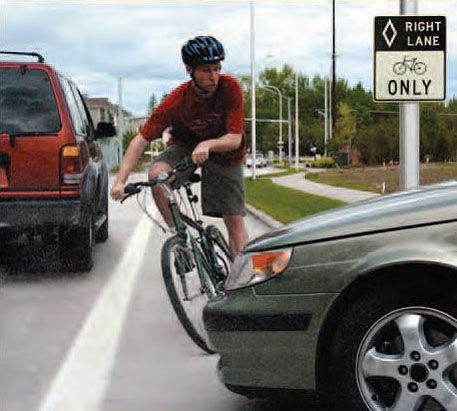
While e-bikes share many of the same rights as conventional bicycles on roadways, they must follow all applicable traffic laws including stopping at red lights and stop signs, yielding to pedestrians, and riding with the flow of traffic. New York law requires e-bike riders to stay as far to the right as is safely practicable except when making left turns, avoiding hazards, or when the lane is too narrow to share safely with a motor vehicle.
Bike Lane Regulations
Class 1 and Class 2 e-bikes, which include most Haoqi Mustang models, are permitted in all bike lanes throughout New York State. This provides a safer alternative to riding in general traffic lanes, especially in busy urban areas. Class 3 e-bikes, however, face more restrictions and are generally not permitted in protected bike lanes in New York City, though they may use standard bike lanes on the roadway.
The distinction between different types of bike infrastructure is important for legal compliance. Protected bike lanes (physically separated from traffic) may have different rules than painted bike lanes or shared lane markings (“sharrows”). In New York City specifically, the Department of Transportation has created an extensive network of bike lanes with varying designs and corresponding rules for different classes of e-bikes.
- Protected bike lanes: Class 1 and 2 always allowed; Class 3 generally prohibited in NYC
- Standard bike lanes: All classes typically allowed
- Shared lane markings: All classes allowed as these are simply parts of regular roadways
Parks and Trail Restrictions
The rules governing e-bike access to parks, trails, and recreational pathways are particularly complex in New York. State parks operate under different regulations than city parks, and rules can vary significantly between different trail systems. As a general rule, Class 1 e-bikes have the broadest access to recreational paths, while Class 3 e-bikes face the most restrictions.
New York State Parks generally allow Class 1 e-bikes on trails where traditional bicycles are permitted, unless specifically prohibited by signage. Class 2 and Class 3 e-bikes face more restrictions and are often prohibited on trails entirely. The Hudson River Greenway, Brooklyn’s Ocean Parkway, and many sections of the Empire State Trail do permit certain classes of e-bikes, but restrictions may apply in specific segments.
For Haoqi Mustang riders, it’s essential to research the specific rules for each park or trail system before riding. Many parks post their e-bike policies online or on signage at trailheads. When in doubt, contacting the managing authority directly is the safest approach to avoid potential citations.
Sidewalk Rules (Spoiler: It’s a No-Go)
The rule on sidewalk riding is straightforward and universal across New York State: e-bikes are not permitted on sidewalks under any circumstances. This prohibition applies to all classes of e-bikes and is strictly enforced, particularly in urban areas. Riding an e-bike on sidewalks puts pedestrians at risk and can result in significant fines.
The only exception to the sidewalk prohibition is when you’re walking your e-bike with the motor off, effectively treating it as a pedestrian would. This is permitted when accessing parking locations or navigating areas where riding isn’t allowed. Remember that even when walking your Haoqi Mustang on sidewalks, you should yield to pedestrians and be respectful of their space.
NYC-Specific E-bike Regulations
“How To Ride Your Bicycle Safely On The …” from antranik.org
New York City has implemented additional regulations beyond state laws that affect Haoqi Mustang riders operating within the five boroughs. These city-specific rules respond to the unique challenges of integrating e-bikes into America’s most densely populated urban environment. Understanding these additional requirements is essential for anyone riding in NYC to avoid costly citations and potential impoundment of your e-bike.
How City Rules Differ from State Laws
While New York State established the basic framework for e-bike classification and operation, NYC has added several layers of regulation that create a more complex legal landscape. One of the most significant differences is in enforcement priorities, with NYC focusing heavily on commercial riders while generally taking a more relaxed approach to personal e-bike users. The city has also implemented specific rules about where different classes can operate, with Class 3 e-bikes facing more restrictions within city limits than elsewhere in the state.
NYC’s administrative code gives additional enforcement powers to both the NYPD and Department of Transportation regarding e-bike violations. Penalties for violations within city limits are typically higher than in other parts of the state, reflecting the city’s concerns about density and pedestrian safety. The city has also established specific identification requirements for commercial e-bikes that go beyond state regulations.
Manhattan vs. Outer Borough Regulations
Enforcement of e-bike regulations varies significantly across New York City’s boroughs, with Manhattan generally seeing the strictest application of the rules. This is particularly true in Midtown and Lower Manhattan, where pedestrian density is highest and concerns about delivery rider behavior have prompted focused enforcement campaigns. Riders in Manhattan should be especially careful to follow all applicable laws, as police sweeps targeting e-bikes are common in high-traffic areas.
In outer boroughs like Brooklyn, Queens, the Bronx, and Staten Island, enforcement tends to be more situational and complaint-driven rather than proactive. This doesn’t mean the rules are different—just that the likelihood of being stopped for minor infractions may be lower. However, all boroughs periodically conduct enforcement initiatives, often in response to community complaints or following accidents involving e-bikes.
NYC E-bike Enforcement Hot Spots
Higher Enforcement Areas:
– Midtown Manhattan (especially around Times Square)
– Central Park perimeter
– Lower Manhattan business districts
– Major bridge approaches
– Hudson River Greenway
Commercial vs. Personal Use Distinctions
New York City draws important distinctions between e-bikes used for commercial purposes (primarily food delivery) and those used for personal transportation. Commercial e-bike operators face additional requirements, including mandatory business identification visible on the bike and rider, proper commercial insurance coverage, and compliance with delivery worker rights laws that took effect in 2021. Personal riders of Haoqi Mustangs aren’t subject to these additional requirements, but they still must follow all other applicable laws regarding equipment, riding locations, and operational rules.
The city’s focus on delivery riders stems from historically high complaint volumes about dangerous riding behaviors among commercial operators. For personal Haoqi riders, understanding this enforcement context helps explain why police may pay particular attention to riding behaviors that resemble those of delivery workers, such as riding against traffic or making abrupt maneuvers between lanes. Maintaining distinctly non-commercial riding patterns can help avoid unwanted scrutiny. For more information on safe riding practices, check out these safety best riding practices.
Avoiding Tickets and Fines on Your Haoqi
New York’s enforcement of e-bike regulations has intensified in recent years, with potential financial consequences for violations. Understanding common infractions and how to avoid them can save Haoqi Mustang riders from unexpected expenses and legal complications. Enforcement approaches vary by location and circumstance, but certain violations consistently attract attention from law enforcement throughout the state.
Common Violations and Associated Penalties
The most frequently cited e-bike violations in New York include riding on sidewalks, running red lights, riding against traffic flow, exceeding speed limits in bike lanes, and operating without required safety equipment. Sidewalk riding typically carries the steepest penalties, with fines starting at $50 for first offenses and increasing to $200+ for repeat violations. Traffic signal violations generally range from $25-$100, while lacking required equipment like lights and bells typically results in fines of $25-$50 per missing item.
Particularly in NYC, riding a Class 3 e-bike in prohibited areas can result in fines exceeding $500 and potential impoundment of your Haoqi. The financial impact extends beyond the initial citation, as impoundment involves recovery fees typically starting at $150 plus daily storage charges. For commercial operators, penalties are generally higher across all categories, reflecting the city’s focus on delivery rider compliance.
How to Handle Police Stops
If you’re stopped while riding your Haoqi Mustang, remaining calm and cooperative greatly improves your chances of a favorable outcome. When approached by law enforcement, immediately pull over to a safe location, turn off your motor, and keep your hands visible. Many officers are still learning the nuances of e-bike laws themselves, so respectfully explaining your understanding of the regulations may help in borderline situations. Having digital access to the relevant New York e-bike laws on your phone can be valuable for clarifying any misunderstandings.
What to Do If Your E-bike Gets Impounded
If your Haoqi Mustang is impounded for violations, you’ll need to follow specific procedures to recover it. First, obtain the impoundment notice which should indicate the facility where your e-bike is being held and any outstanding citations that must be resolved. You’ll typically need to pay all outstanding fines before the bike can be released, along with impoundment and storage fees that increase daily. Bring multiple forms of identification and proof of ownership when retrieving your e-bike, as the requirements are often stringent. For more information on e-bike regulations, you can refer to this guide to e-bike regulation in New York.
E-bike Recovery Checklist
Documents needed:
– Government-issued ID
– Proof of e-bike ownership (receipt, user manual, photos)
– Impoundment notice
– Receipt for paid citations
The impoundment process can be frustrating and expensive, with total costs often exceeding $500 when all fees are combined. Some advocacy organizations like Transportation Alternatives offer assistance to e-bike riders navigating the impoundment system, particularly for those who rely on their e-bikes for work. Prevention remains the best approach, as the financial and time costs of recovering an impounded e-bike far outweigh the effort required to ride legally. For those looking to ensure their e-bike is in optimal condition, this guide on e-bike safety and best riding practices can be a valuable resource.
Many riders find that installing a GPS tracker on their Haoqi Mustang provides peace of mind and practical assistance in recovery situations, whether from impoundment or theft. These devices can help document the location and circumstances of any seizure, potentially providing valuable evidence if there’s a dispute about the legitimacy of an impoundment.
Insurance Considerations for Haoqi Mustang Owners

“an Insurance Agent …” from www.bluefireinsurance.com
While e-bikes occupy a unique legal position between bicycles and motorized vehicles, insurance considerations remain important for Haoqi Mustang owners in New York. Understanding your coverage options and requirements can provide financial protection against accidents, theft, and liability claims. The insurance landscape for e-bikes continues to evolve as their popularity increases, with more specialized options becoming available each year. For safety tips and best practices, check out this guide on Haoqi Mustang e-bike safety.
Is Insurance Required?
New York State does not currently require insurance coverage for any class of e-bike used for personal transportation. Unlike motorcycles, mopeds, and cars, e-bikes can be legally operated without dedicated insurance policies. However, this lack of requirement doesn’t eliminate the potential financial risks associated with e-bike ownership and operation. Accidents involving pedestrians or property can lead to significant liability exposure, and the relatively high value of Haoqi Mustangs makes them attractive targets for theft.
Recommended Coverage Types
For comprehensive protection, Haoqi Mustang owners should consider three main types of coverage. First, liability insurance protects you if you cause injury or property damage while riding your e-bike, with policies typically available as riders to homeowners or renters insurance or through specialized e-bike policies. Second, theft and damage coverage protects your investment in the e-bike itself, though you should carefully check policy exclusions as many standard homeowners policies limit coverage for “motorized vehicles.” Finally, personal injury protection can help cover your medical expenses if you’re injured while riding, regardless of who was at fault.
Several insurance companies now offer specialized e-bike policies that combine these coverages at reasonable rates, typically ranging from $100-$300 annually depending on your location and the value of your Haoqi. These specialized policies often include benefits tailored to e-bike owners, such as roadside assistance for battery issues and coverage for accessories and modifications. For many riders, the peace of mind these policies provide is well worth the modest investment.
Stay Legal and Ride Confidently
New York E-bike Compliance Checklist
Before Every Ride:
– Wear appropriate helmet based on e-bike class
– Ensure lights and bell are functional
– Plan route using legal pathways for your e-bike class
– Check that speed settings comply with local regulations. For more detailed guidance, refer to our e-bike safety best practices.
Navigating New York’s e-bike laws may seem daunting at first, but understanding the core requirements provides a foundation for confident, legal riding throughout the state. The three-tiered classification system establishes clear parameters for where different types of e-bikes can operate, while exemptions from licensing and registration requirements make e-bikes more accessible than other motorized transportation options. For Haoqi Mustang owners specifically, most models’ Class 2 status provides a good balance of performance capabilities and legal access to riding infrastructure.
As e-bike technology and popularity continue to evolve, so too will the regulatory landscape. Proposed legislation like “Priscilla’s Law” signals potential changes on the horizon, making it important for riders to stay informed through resources like manufacturer updates, advocacy organizations, and official government channels. The growing community of e-bike enthusiasts also provides valuable peer support through online forums and local riding groups where knowledge about changing regulations is readily shared. For those interested in optimizing their e-bike experience, exploring must-have Haoqi Mustang e-bike accessories can enhance both safety and enjoyment.
Safety remains the underlying principle behind New York’s e-bike regulations. By following the established rules for equipment, riding locations, and operational practices, Haoqi riders not only avoid legal complications but contribute to a positive public perception of e-bikes as responsible transportation solutions. This cooperative approach helps support continued access to roads and pathways while demonstrating that e-bikes deserve their place in New York’s diverse transportation ecosystem.
Whether you’re commuting through busy city streets, exploring scenic state parks, or simply enjoying recreational rides, your Haoqi Mustang offers an efficient, environmentally friendly way to experience New York. By embracing both the freedom and responsibility that comes with e-bike ownership, you can fully enjoy all the benefits these remarkable vehicles provide while respecting the communities through which you ride. Haoqi Electric Bikes is committed to helping riders understand their local regulations so you can focus on what matters most: the joy of the ride.
Frequently Asked Questions
As e-bike laws continue to evolve in New York, riders naturally have questions about specific scenarios and requirements. The following FAQ addresses some of the most common concerns Haoqi Mustang owners express about legal compliance and practical riding considerations throughout the state.
These answers reflect current regulations at the time of writing, but riders should periodically check for updates as legislation and enforcement priorities may change over time. For more information on staying safe, consider reviewing e-bike safety best practices.
Can I modify my Haoqi Mustang to go faster in New York?
Modifying your Haoqi Mustang to exceed the speed limitations established for its class (20 mph for Class 1 and 2, 25 mph for Class 3) is not legal in New York. Such modifications effectively change the classification of your e-bike and may recategorize it as a moped or motorcycle, requiring registration, insurance, and a driver’s license. Additionally, manufacturers typically void warranties on modified e-bikes, leaving you financially exposed if technical problems develop. Law enforcement increasingly looks for signs of modification during stops, with aftermarket components and unusual performance characteristics triggering closer inspection.
Are there any restrictions on carrying passengers on my Haoqi e-bike?
New York law doesn’t explicitly prohibit passengers on e-bikes, but there are important practical and legal considerations. Your Haoqi Mustang must be specifically designed and equipped to carry passengers, with appropriate seating, foot pegs, and structural capacity for the additional weight. Most standard e-bikes, including many Haoqi models, aren’t designed for multiple riders, making passenger carrying potentially unsafe and implicitly prohibited under general safety regulations.
For children, New York follows similar rules to conventional bicycles, allowing properly secured child seats or trailers designed for bicycle use. Children transported on or behind e-bikes must wear properly fitted helmets regardless of the e-bike’s classification. Some local jurisdictions have additional restrictions on passenger carrying, so checking municipal regulations is advisable before riding with passengers anywhere in New York.
Commercial passenger carrying (such as pedicab operations) with e-bikes is generally prohibited throughout New York State unless the operator has obtained specific permits and meets stringent safety and insurance requirements.
Do I need to register my Haoqi Mustang with the DMV?
Under current New York law, e-bikes including the Haoqi Mustang do not require registration with the Department of Motor Vehicles. This exemption applies to all three classes of e-bikes, distinguishing them from mopeds and motorcycles which do require DMV registration. However, proposed legislation including “Priscilla’s Law” could change this requirement in the future, potentially establishing a registration system specifically for e-bikes. If such legislation passes, riders would likely have a grace period to comply with new registration requirements before enforcement begins.
Can I get a DUI while riding my e-bike in New York?
While New York’s Vehicle and Traffic Law doesn’t explicitly include e-bikes in its DUI provisions, riders can still face serious consequences for operating under the influence. Police officers have discretion to charge intoxicated e-bike riders under general public intoxication statutes or reckless endangerment laws if their behavior poses risks to themselves or others. In practice, the legal distinction offers little protection, as impaired riding dramatically increases accident risks regardless of the technical applicability of DUI statutes. The safest and most responsible approach is to treat your Haoqi Mustang like any other vehicle and never ride while impaired by alcohol or drugs.
Several recent court cases in New York have addressed this legal gray area, with judges generally supporting law enforcement’s authority to intervene when e-bike riders show signs of impairment. While penalties may differ from traditional DUI cases, the practical consequences of citations, potential injuries, and liability exposure provide compelling reasons to ride sober.
Are there different rules for using my Haoqi for food delivery versus personal use?
Yes, commercial use of e-bikes in New York, particularly for food delivery, carries additional requirements beyond those for personal riders. In New York City specifically, commercial e-bike operators must display identification numbers on their bikes, carry proof of employment relationship with the delivery service, and ensure their employers have proper insurance coverage. Additionally, delivery companies must provide their workers with proper safety equipment and training on traffic laws.
Commercial operators also face heightened enforcement scrutiny, as delivery riders have historically been the focus of complaint-driven enforcement campaigns. If you’re considering using your Haoqi Mustang for delivery work, consulting with the employing company about their specific compliance requirements is essential to avoid complications. Some delivery services provide commercially compliant e-bikes to their workers rather than allowing personal e-bikes precisely because of these additional regulatory complexities.
Outside of NYC, commercial e-bike regulations are generally less stringent, but local ordinances may still impose special requirements for business use. Checking with local authorities and prospective employers about applicable regulations is the safest approach before using your Haoqi for commercial purposes anywhere in New York State.
For riders transitioning between personal and occasional commercial use, it’s important to understand when each set of regulations applies and be prepared to meet the more stringent commercial requirements whenever engaging in delivery activities, even on a part-time basis.


Leave a Reply